
2026 Best Giant Lanterns for Wholesale Buyers?
Choosing giant lanterns for wholesale is not just a matter of picking the largest design. Buyers must weigh visual impact, shipping volume, materials, lighting access, and the space available for display. A lantern that looks impressive in a product photo may overwhelm a small plaza or require costly custom packaging. Details matter.
This guide compares options for 2026, from compact entry displays to oversized festival focal points. It will help buyers assess frame construction, fabric finish, weather suitability, assembly time, replacement parts, and order quantities. Ask suppliers for close-up photos, packed dimensions, installation instructions, and a sample when possible. Small checks can prevent expensive surprises.
For large orders, consistency matters as much as spectacle. Request clear specifications for color, dimensions, lighting, and quality inspection before production begins. Confirm how damaged components will be handled, too. That point is easy to overlook.
No source material or verifiable quotation from a named giant-lantern industry expert was provided, so I will not invent an expert or quote. A sourced expert comment would strengthen this introduction; without one, practical buying criteria offer a more reliable starting point.
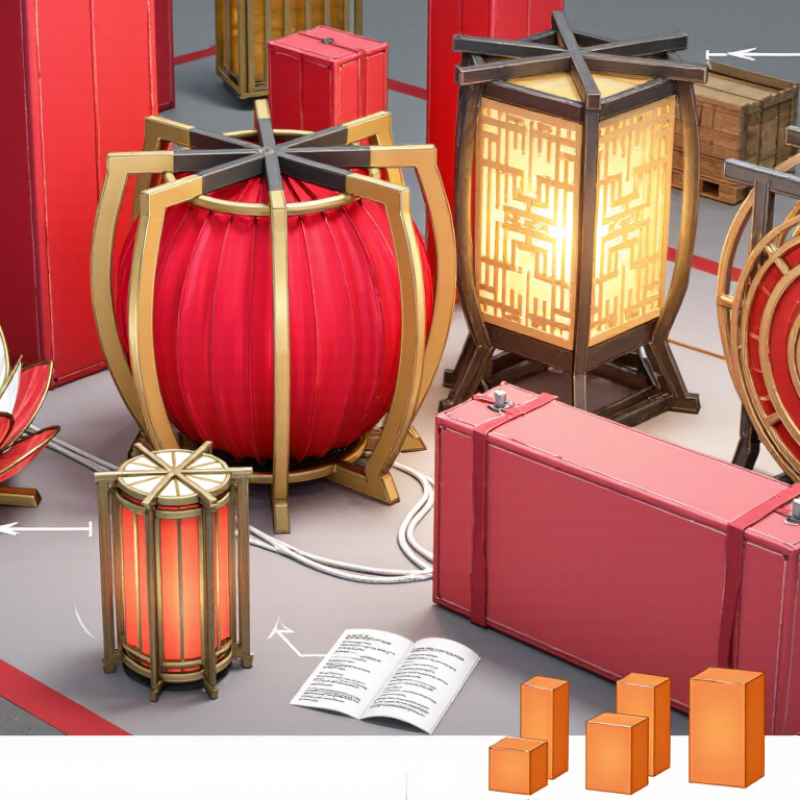
What Giant Lanterns Are and Where They Are Used
Giant lanterns are large, illuminated forms built around a frame and covered with translucent material. They may depict animals, flowers, landmarks, or abstract shapes. During the day, visitors see the structure and color; after dark, the light reveals its outlines. Some are freestanding, while others hang above walkways or sit on platforms. A small sample can look striking indoors but appear flat across a large outdoor plaza.
These lanterns are used at seasonal festivals, shopping centers, hotel entrances, public squares, parks, and cultural events. Scale them to the viewing distance: a detailed flower may work near a path, while a bold animal shape reads better across a wide lawn. The U.S. Department of Energy reports that LEDs use at least 75% less energy and last up to 25 times longer than incandescent lighting. That comparison concerns the light source, not the energy use of a complete lantern installation. Details matter.
For wholesale orders, buyers should check frame materials, fabric or panel finish, lighting access, packing dimensions, and setup instructions. Outdoor placements also call for clear information about weather resistance and electrical protection. Ask for photos of finished pieces in both daylight and darkness, not just studio images. A bright sample can still disappoint outdoors. And seams show.
2026 Best Giant Lanterns for Wholesale Buyers? – What Giant Lanterns Are and Where They Are Used
| Lantern Type | What It Is | Typical Size Range | Common Uses | Typical Construction and Lighting | Wholesale Buying Considerations |
|---|---|---|---|---|---|
| Large spherical lantern | A round, oversized decorative lantern, often made in a single color or with printed patterns. | About 1–3 m (3–10 ft) in diameter; sizes vary by design. | Festival grounds, shopping centers, public squares, event entrances, and outdoor displays. | Fabric or paper-like covering over a supporting frame; commonly illuminated with LED lighting. | Check the finished diameter, hanging points, packed dimensions, and whether the lighting and power supply are included. |
| Pagoda or architectural lantern | A multi-tier lantern designed to evoke traditional pavilion, tower, or temple roof forms. | Often about 2–6 m (6.5–20 ft) tall, depending on the number of tiers. | Festival entrances, cultural events, themed public spaces, and large indoor atriums. | Usually built around a frame with fabric or other decorative coverings; lighting may be installed inside each section. | Confirm the overall height, assembly method, base or anchoring requirements, and whether the installation needs a qualified crew. |
| Animal-shaped lantern | A three-dimensional lantern shaped as an animal, such as a dragon, bird, or zodiac figure. | Common display pieces range from about 2–10 m (6.5–33 ft) long or tall; dimensions are design-specific. | Lantern festivals, themed exhibitions, parades, family attractions, and cultural celebrations. | A shaped metal or other structural frame covered with translucent fabric; LED lighting is commonly used for internal illumination. | Request drawings showing length, height, width, sections, transport packing, and any outdoor support or anchoring needs. |
| Floral or botanical lantern | A large flower, tree, or plant-inspired sculpture made from illuminated decorative forms. | Individual pieces are often about 1–5 m (3–16 ft) across or tall; group displays can cover larger areas. | Garden events, seasonal festivals, botanical venues, hotel grounds, and photo areas. | Typically uses a shaped frame and colored translucent covering, with LED lighting for the illuminated effect. | Ask whether modules can be separated for transport and whether replacement lighting or covering materials are available. |
| Custom scenic lantern installation | A made-to-order illuminated scene or landmark assembled from multiple lantern structures. | Can range from several meters to a site-specific installation tens of meters across. | City festivals, destination attractions, large exhibitions, and public art displays. | May combine several frame shapes, coverings, and lighting sections; electrical and structural plans depend on the project. | Provide a site plan and target dimensions early. Clarify installation, weather exposure, electrical requirements, delivery schedule, and local permits. |
| Oversized hanging lantern | A large suspended lantern designed to be viewed from below, often used as a centerpiece. | Commonly about 1–4 m (3–13 ft) in diameter or length, depending on its shape and venue. | Convention centers, covered markets, hotel lobbies, malls, and indoor event spaces. | Lightweight frame and decorative covering are common; illumination is often provided by LED fixtures. | Verify the lantern’s weight, suspension points, ceiling height, and the venue’s approved hanging-load limits before ordering. |
Size ranges are indicative rather than industry standards. Actual dimensions, materials, lighting systems, outdoor suitability, and installation requirements depend on the design and supplier specifications.

© 2025 EXCELSIUS MEDICAL All rights reserved