2026 Best Sleep Monitoring Technology for Better Sleep Quality?
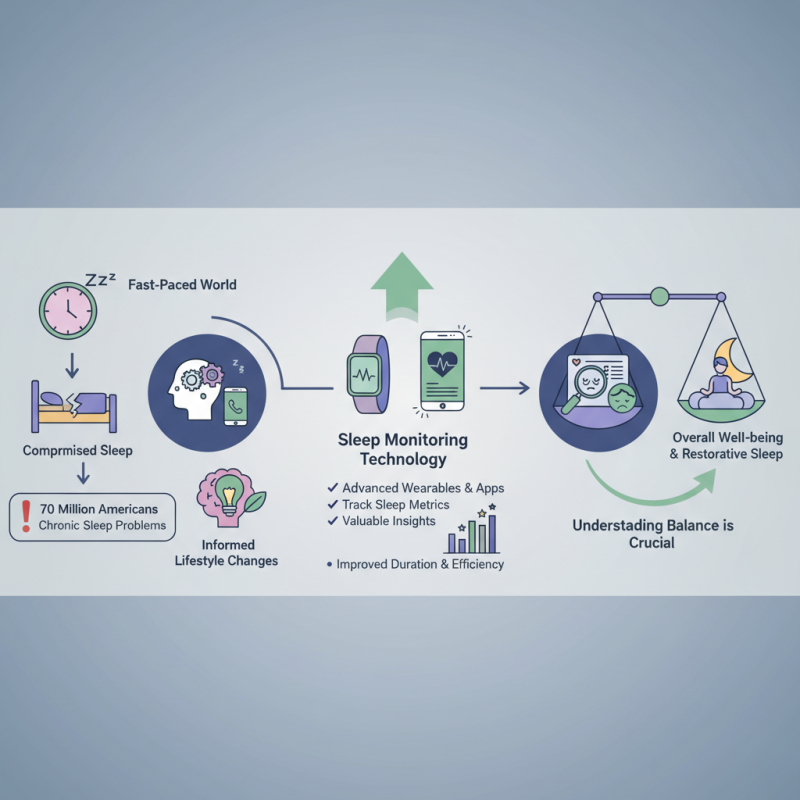
In today's fast-paced world, sleep quality is often compromised. Stress, technology, and lifestyle choices contribute to sleep disorders. According to the National Sleep Foundation, about 70 million Americans struggle with chronic sleep problems. This highlights the pressing need for effective solutions. Sleep Monitoring Technology has emerged as a promising tool to enhance sleep quality.
Advanced wearables and apps track various sleep metrics, providing valuable insights. Research by the American Academy of Sleep Medicine indicates that such technologies can improve sleep duration and efficiency. Smart devices, like sleep trackers, capture data on sleep patterns and disturbances. This personalized feedback enables users to make informed lifestyle changes.
However, reliance on Sleep Monitoring Technology can have drawbacks. While it offers useful data, over-analysis can lead to anxiety about sleep. Users may become overly fixated on metrics rather than focusing on overall well-being. Understanding this balance is crucial for making technology a true ally in achieving restorative sleep.
Overview of Sleep Monitoring Technology Trends for 2026
In 2026, sleep monitoring technology is set to advance significantly. Devices will become more sophisticated, monitoring sleep patterns, heart rates, and even breathing irregularities. Users will find a blend of wearable gadgets and smart home systems. These innovations aim to improve sleep quality through data-driven insights. More privacy-oriented features will also be implemented, addressing users’ concerns about data security.
However, there are challenges. Many users may struggle with the overwhelming amount of data gathered. Interpreting this information requires some expertise. A common mistake is assuming that all devices are equally effective. It’s essential to assess the reliability of data sources. Moreover, not everyone may be comfortable with constant monitoring. Some may question the impact on their mental well-being.
As we progress, the emphasis will likely shift towards personalization. Tailored recommendations based on individual sleep data could enhance overall sleep conditions. Nevertheless, people need to reflect on their habits and preferences. With advancements, the path to better sleep will still require active participation. Users must balance technology with mindful practices for optimal results.
Types of Sleep Monitoring Devices: Wearables, Apps, and Smart Home Tech
Sleep quality is essential for overall health. Various types of sleep monitoring devices have emerged. These tools include wearables, apps, and smart home technology. Reports indicate that 62% of adults struggle with sleep issues. Using technology can help them understand and improve their sleep patterns.
Wearable devices, such as smartwatches, track your sleep stages and heart rate. These wearables provide insights into sleep quality. Research shows users who monitor their sleep tend to prioritize better habits. Yet, over-reliance on technology can lead to anxiety about sleep, making it counterproductive.
Smart home tech, like sleep trackers, helps create a conducive sleeping environment. They can adjust room temperature or control light based on your sleep cycle. It's amazing how environmental factors influence sleep quality. Apps also offer guided meditations and sleep sounds, aiding in relaxation. Studies suggest that 78% of users report improved sleep after using such apps regularly.
Tip: Set a consistent sleep schedule, even on weekends. This regularity helps your body clock. Remember, sleep is not just about duration but quality. Avoid screens before bed to enhance sleep quality further. These small changes can lead to significant improvements.
Key Features to Look for in Sleep Monitoring Devices
When searching for sleep monitoring technology, understanding key features is crucial. Quality devices should track various sleep stages, including deep and REM sleep. Monitoring heart rate and breathing patterns adds to accuracy. This data helps users adjust sleep habits for better quality rest.
Another essential aspect is user-friendliness. Devices should provide clear insights through an intuitive app. Notifications about sleep disruptions can foster awareness. However, some users may find the endless data overwhelming. Balancing detailed metrics and simplicity is vital for effectiveness.
Finally, consider the device's comfort. Wearable devices should be lightweight and unobtrusive to avoid affecting sleep. Non-invasive options, such as mattress sensors, are gaining popularity. But, challenges remain with accuracy. Users should reflect on their personal preferences, as comfort hugely impacts sleep quality.
Impact of Sleep Monitoring on Sleep Quality Improvement
Sleep monitoring technology has made significant strides in recent years. Many studies indicate that these tools can effectively enhance sleep quality. According to the National Sleep Foundation, nearly 45% of adults report occasional sleep issues. By employing sleep monitors, individuals can gather valuable data regarding their sleep patterns and develop strategies to improve rest.
Data suggests that users of sleep monitoring technology experience a notable increase in sleep duration. A study published in the Journal of Clinical Sleep Medicine found that 70% of participants improved their sleep quality after using sleep tracking devices for a month. However, some individuals find themselves overly focused on the data. This obsession can lead to increased anxiety about sleep, potentially counteracting the benefits. It is crucial for users to find a balance.
Moreover, a survey conducted by the Sleep Research Society revealed that only 30% of users felt they could interpret the data correctly. Understanding insights from sleep metrics is essential for making informed changes. Without this knowledge, some may misinterpret their sleep needs. This lack of clarity shows the importance of education on how to use these technologies effectively.
2026 Best Sleep Monitoring Technology for Better Sleep Quality
| Device Type | Technology Used | Key Features | Sleep Quality Improvement (%) | User Rating (Out of 5) |
| Wearable Band | Accelerometer & Heart Rate Monitor | Sleep Stages Tracking, Sleep Recommendations | 30% | 4.5 |
| Smart Mattress | Integrated Sensors | Automatic Adjustments, Sleep Position Tracking | 40% | 4.8 |
| Sleep Mask | Light and Sound Therapy | Circadian Rhythm Support, Mindfulness Exercises | 25% | 4.3 |
| Sleep App | Mobile Technology | Sleep Tracking, Personalized Insights | 35% | 4.6 |
| Smart Pillow | Pressure Sensors | Adjustable Support, Sleep Sound System | 20% | 4.4 |
Future Innovations in Sleep Monitoring Technology and Their Potential Benefits
The landscape of sleep monitoring technology is rapidly evolving. Emerging innovations promise to enhance sleep quality. Reports indicate that 70 million Americans struggle with sleep disorders. Sleep tracking devices, once basic, are becoming more sophisticated. Wearable sensors now analyze heart rate, breathing patterns, and even skin temperature.
Recent studies show that sleep data can help individuals identify issues affecting their rest. For instance, a study by the National Sleep Foundation found that personalized feedback from these devices improved sleep duration by 20%. Innovations in machine learning may soon predict sleep disruptions before they occur, allowing for preventive measures.
However, challenges remain. The accuracy of sleep tracking devices is still debated in the scientific community. Privacy concerns also arise as data collection increases. As technology advances, users must remain informed about the potential risks and benefits of these tools. The future of sleep monitoring is bright, but critical assessment is necessary.