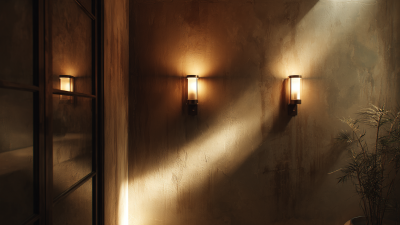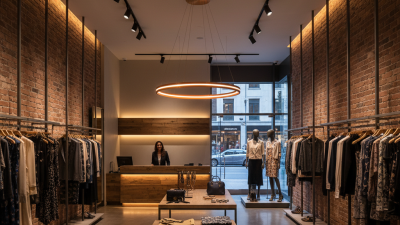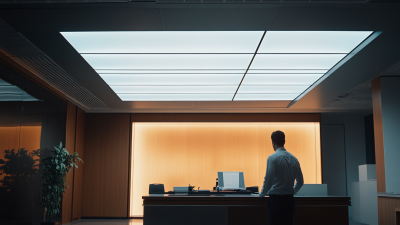
Light Eyeball products are becoming a practical choice for retail, hospitality, residential, and commercial lighting projects. Their adjustable head directs light toward artwork, shelves, worktops, or architectural details. For global buyers, the 2026 market is not only about appearance. It is about beam control, glare comfort, thermal performance, installation depth, and long-term maintenance.
The International Energy Agency’s Energy Efficiency 2023 report identifies lighting as a significant global efficiency opportunity. The U.S. Department of Energy also reports that LED products use at least 75% less energy and last up to 25 times longer than incandescent lamps. These figures explain the shift toward LED Light Eyeball designs, including COB, GU10, trimless, gimbal, fixed, and smart versions. Yet efficiency alone does not guarantee a suitable product. A narrow 24-degree beam may highlight a sculpture beautifully, but it can create harsh contrast on a dining table.
Reliable selection requires evidence. Buyers should review LM-79 photometric testing, LM-80 or equivalent LED lifetime data, color rendering performance, driver quality, dimming compatibility, and regional safety certifications. IP ratings matter in bathrooms and covered outdoor areas. Fire-rated housing may be essential for certain ceiling constructions.
There is no universal “top” type. A budget hotel, a luxury showroom, and a coastal residence need different solutions. Even published market forecasts can change with energy prices, construction cycles, and local regulations. This guide compares the leading Light Eyeball types for 2026, while acknowledging one practical truth: a technically impressive fixture can still fail when its beam angle, cut-out size, or control system is poorly matched to the project.
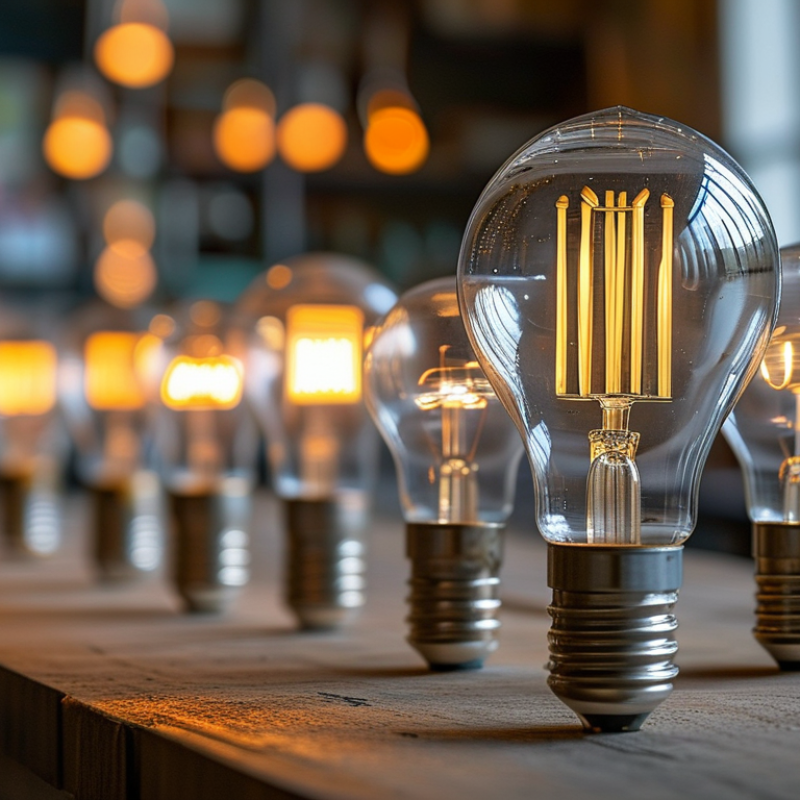
Light eyeball fixtures are recessed luminaires with a movable inner lamp holder. The holder pivots inside a round trim, directing light toward artwork, shelves, counters, or textured walls. Unlike fixed downlights, they can change the beam direction after installation. Their practical value is simple: one ceiling opening can serve several lighting needs.
Common types include fixed eyeball, tilt eyeball, gimbal eyeball, and wall-wash eyeball. Fixed models provide limited adjustment and suit general accent lighting. Tilt versions normally move vertically. Gimbal designs offer wider directional movement, often useful in retail or hospitality spaces. Wall-wash models spread light across a surface, reducing harsh bright spots. Beam angles matter. Narrow beams create sharper highlights, while wider beams produce softer coverage.
The U.S. Department of Energy reports that modern LED lighting can exceed 100 lumens per watt, although actual performance depends on temperature, optics, and driver quality. The International Energy Agency reported that LEDs represented about half of global lighting sales in 2022. That growth increases demand for efficient, adjustable fixtures. Yet efficiency alone can mislead. A high-lumen product may create glare when its shielding is poor. Color rendering also deserves attention. A 90-plus CRI option usually shows materials more naturally, but it may cost more energy or money. I have found that installation depth is often overlooked. A beautiful eyeball fixture can still fail when the ceiling cavity is too shallow.
In 2026, light eyeball types are becoming more adaptable for homes, retail spaces, hotels, and offices. Adjustable recessed eyeball lights remain popular because their inner heads can direct light toward artwork, shelves, or work surfaces. They create a cleaner ceiling line than surface fixtures. However, deeper housings may require more ceiling space.
Trimless eyeball lights suit modern interiors with smooth, minimal ceilings. Their plaster-in finish can look refined, but installation needs careful alignment and skilled finishing.
Surface-mounted eyeball lights work better where concrete ceilings or limited void space make recessed installation difficult. Track-mounted eyeball lights provide flexible aiming for changing displays. They are practical, though some buyers may find the visible track less discreet.
Tips: Check beam angle, tilt range, cut-out size, glare control, and heat management before ordering. Compare warm and neutral color temperatures beside real materials, not only catalog images. Ask for photometric data and installation drawings. Samples help.
Smart eyeball lights add dimming, scheduling, and scene control for connected spaces. Yet smart features can increase setup complexity and replacement concerns. For global projects, confirm voltage, frequency, dimmer compatibility, certifications, and local installation requirements. We have found that a beautiful optic can still disappoint when glare reaches eye level. A slightly wider beam may feel more comfortable. Test the light at night. That step is easy to miss.
Choosing light eyeball types for global projects requires more than comparing wattage. Beam angle and adjustability shape the actual visual result. The IEA reports that lighting uses about 15% of global electricity, so poor optical choices can create long-term waste. A narrow 15° beam suits display accents, while 24° to 36° beams usually provide better coverage for tables, artwork, and retail aisles.
Check how the angle was measured. A 24° specification often means the full width at 50% of peak intensity, following photometric testing practices such as IES LM-79. It does not describe every visible spill area. Ask for the photometric file, candela curve, center-beam candlepower, and delivered lumens. A goniophotometer report is more reliable than a simple product label. The U.S. Department of Energy’s SSL R&D reports also stress optical control as a key part of lighting-system performance, not merely LED efficacy.
Adjustability matters when ceilings, furniture, or artwork change. A practical eyeball may offer 20° to 30° tilt and full rotation, but movement can reduce beam precision. Keep the trim stable, then test a mock-up at the real mounting height. I have seen a narrow beam look impressive on one sample wall, yet leave dark gaps across the room. That is the uncomfortable detail. Compare uniformity, glare, spill light, and maintenance access together.
2026 Top Light Eyeball Types for Global Buyers
Material selection should match the project’s climate, ceiling, and maintenance plan. Die-cast aluminum offers reliable heat control for LED eyeball downlights. Polycarbonate suits lightweight housings and impact-sensitive interiors. In coastal areas, powder-coated aluminum needs stronger corrosion protection. Stainless steel can perform better, but increases cost and weight. The IEA’s 2024 Energy Efficiency report states that lighting uses about 15% of global electricity. Efficient optics therefore matter, not only lamp wattage. Choose adjustable recessed eyeballs for hospitality zones, surface-mounted models for shallow ceilings, and track-mounted types for retail flexibility.
Size affects both appearance and beam control. Small 50–75 mm apertures create a quiet ceiling line, but may limit lumen output. Larger 90–110 mm fittings spread light more comfortably in public spaces. Verify cut-out dimensions, driver access, glare ratings, and photometric files before approval. The U.S. Department of Energy’s 2023 SSL research guidance shows that modern LED systems can exceed 150 lumens per watt in suitable applications. However, real performance drops with heat, poor drivers, and crowded housings. That detail is often overlooked.
Tips: Use white or warm-gray finishes for calm ceilings. Choose black only when contrast supports the design. Request samples under the project’s actual lighting. Matte finishes hide fingerprints, while glossy finishes reflect dust. I would not trust a finish chart alone; site humidity, cleaning chemicals, and installer handling can change the result. When uncertain, test one complete fitting first.
| Eyeball Type | Typical Installation | Common Housing Materials | Typical Size Range | Adjustment Range | Typical Light Source | Beam Options | Common Finishes | Recommended Project Areas | Key Buyer Considerations |
|---|---|---|---|---|---|---|---|---|---|
| Fixed Recessed Eyeball | Recessed into a ceiling or soffit with a visible directional inner cone | Aluminium, steel, or aluminium alloy; polycarbonate optical parts | Trim diameter: 75–110 mm Cut-out: 65–95 mm |
Usually 20°–30° tilt | Integrated LED or replaceable GU10 / MR16 lamp | 24°–60° | White, matte black, brushed aluminium, satin nickel | Residential rooms, hotels, corridors, retail displays | Cost-effective and compact; confirm lamp compatibility, driver access, and ceiling depth |
| Adjustable Single-Head Eyeball | Recessed ceiling installation with a rotating and tilting inner reflector | Die-cast aluminium, stamped steel, aluminium reflector | Trim diameter: 85–125 mm Cut-out: 70–105 mm |
Up to 30°–40° tilt; limited rotation depending on housing | Integrated LED, GU10, or MR16 | 15°–45° | Powder-coated white, black, grey, gold, brushed metal | Accent lighting, hospitality, galleries, residential interiors | Useful for wall washing and artwork; check glare control and aiming clearance |
| Gimbal Eyeball Downlight | Recessed installation using an internal gimbal mechanism | Die-cast aluminium, steel mounting frame, glass or polycarbonate lens | Trim diameter: 90–150 mm Cut-out: 75–130 mm |
Typically 30°–45° tilt with broad directional aiming | Integrated LED or replaceable LED lamp | 15°–50° | White, black, dark bronze, champagne, brushed aluminium | Retail, museums, restaurants, high-end residential spaces | Provides stronger aiming flexibility; allow sufficient plenum depth and maintenance access |
| Double Eyeball Downlight | One recessed ceiling fitting with two independently aimable heads | Die-cast aluminium, steel frame, aluminium reflectors | Overall trim length: 160–260 mm Typical cut-out width: 145–235 mm |
Usually 25°–35° tilt per head | Integrated LED or two replaceable lamps | 24°–60° per head | White, matte black, grey, brushed nickel | Retail shelving, kitchen islands, corridors, art and display zones | Reduces the number of ceiling cut-outs; verify spacing between heads and driver capacity |
| Trimless Eyeball Downlight | Plaster-in or mud-in installation for a nearly seamless ceiling appearance | Aluminium body, galvanized steel or aluminium plaster frame | Visible aperture: 55–100 mm Installation depth: commonly 100–160 mm |
Typically 20°–35° tilt | Integrated LED module | 20°–40° | Paintable white, plaster white, custom project coating | Luxury residential, hotels, restaurants, architectural interiors | Requires accurate plasterwork; plan installation sequence, serviceability, and thermal clearance |
| Surface-Mounted Eyeball Spotlight | Mounted directly on the ceiling or wall without a recessed cut-out | Aluminium alloy, steel, polycarbonate diffuser | Diameter: 55–100 mm Length: 80–170 mm |
Commonly 90°–180° rotation and 30°–90° tilt | Integrated LED or replaceable LED lamp | 15°–60° | White, black, silver, bronze, brushed aluminium | Concrete ceilings, retrofit projects, low-ceiling areas, hospitality | Suitable where recessed installation is not possible; check mounting surface and heat dissipation |
| Track-Mounted Eyeball Spotlight | Attached to a single-circuit or multi-circuit lighting track | Die-cast aluminium, aluminium heat sink, polycarbonate lens | Head diameter: 55–95 mm Overall height: 100–190 mm |
Typically 350° rotation and 90° tilt | Integrated LED module | 15°–50° | Black, white, silver, grey, champagne | Retail stores, exhibitions, galleries, commercial interiors | Offers flexible layout changes; verify track standard, adapter type, load rating, and dimming method |
| Fire-Rated Adjustable Eyeball | Recessed into fire-resisting ceiling systems using an approved fire-rated assembly | Steel fire hood, aluminium lamp body, intumescent material, glass or polycarbonate parts | Trim diameter: 85–120 mm Cut-out: 70–105 mm |
Usually 20°–30° tilt | Integrated LED or approved replaceable lamp | 24°–60° | White, black, brushed metal, satin finishes | Multi-family housing, hotels, offices, corridors, fire-compartment ceilings | Fire performance depends on the complete tested system; verify local certification and ceiling construction |
| Wet-Area Adjustable Eyeball | Recessed or surface-mounted in areas exposed to moisture or water spray | Aluminium alloy, stainless steel trim, tempered glass, silicone gasket | Trim diameter: 75–115 mm Cut-out: 65–100 mm |
Typically 20°–30° tilt | Integrated LED module | 24°–60° | White, black, stainless steel, brushed nickel | Bathrooms, spa areas, covered outdoor zones, coastal interiors | Confirm IP rating, installation zone, corrosion resistance, drainage, and local electrical requirements |
| Low-Glare Deep-Reflector Eyeball | Recessed installation with a set-back LED or lamp position | Die-cast aluminium, anodized aluminium reflector, optical-grade lens | Trim diameter: 85–130 mm Cut-out: 70–115 mm |
Usually 25°–35° tilt | Integrated LED module with deep-set optical system | 20°–40° | Matte black reflector, white trim, black trim, anodized aluminium | Offices, hospitality, education, premium residential interiors | Improves visual comfort; compare UGR data, luminance, shielding angle, and installation depth |
| CCT-Selectable Adjustable Eyeball | Recessed or surface-mounted installation with selectable color temperature | Aluminium housing, polycarbonate diffuser, steel or aluminium trim | Trim diameter: 75–120 mm Cut-out: 65–105 mm |
Typically 25°–35° tilt | Integrated LED with selectable CCT, commonly 2700 K / 3000 K / 4000 K | 24°–60° | White, black, grey, brushed metal, antique brass | Mixed-use developments, residential projects, hotels, retail | Helps standardize one product across regions; confirm lumen output, color consistency, and control compatibility |
| Technical values are typical specification ranges used for international project planning. Actual performance varies by construction, lamp or LED module, driver, ceiling system, local electrical code, photometric design, and certification requirements. Always approve final samples and project-specific test reports before procurement. | |||||||||
Choosing light eyeball types starts with the application, not the appearance. For living rooms and bedrooms, adjustable recessed eyeball lights provide focused accents without making the ceiling feel crowded. A 24–36-degree beam can highlight artwork, shelves, or textured walls. For general lighting, choose a wider beam and distribute several fittings evenly. One powerful light often creates harsh shadows.
Retail stores, galleries, and showrooms need precise aiming and stable color performance. Adjustable gimbal types suit changing displays, while fixed eyeball lights work better in corridors and low-maintenance areas. Check the color rendering index before selecting the product. Colors may look attractive online but appear dull under poor light. A warm color temperature can support hospitality spaces, while neutral white often improves product visibility.
Bathrooms, balconies, and covered outdoor areas require suitable ingress protection, sealed construction, and corrosion-resistant materials. Confirm the ceiling depth, cutout size, driver access, dimming method, and local electrical requirements before ordering. This step is easy to overlook. Heat management also matters, especially in insulated ceilings or long operating hours. Installers often recommend testing one sample under real conditions first. I agree, although even a sample cannot reveal every future maintenance issue. Performance depends on the ceiling, wiring, controls, and installation quality. The fitting is only one part.
© 2025 EXCELSIUS MEDICAL All rights reserved
Taiwan Office
2F., No. 18, Ln.31, Sec.1, Huandong Rd.,
Xinshi Dist., Tainan City 744, Taiwan, R.O.C.
German Office
Zeppelinstr. 4, Haus 3&4,
D-85399 Hallbergmoos, Germany