
The dental and orthopedic fields continuously evolve, driven by technological advancements. One key component in these sectors is the Universal Bone Drill. Its versatility makes it essential for various surgical procedures. Innovations alter how surgeons approach bone-related surgeries, improving accuracy and outcomes.
In 2026, we anticipate a surge in trends surrounding Universal Bone Drills. New materials, enhanced ergonomics, and smarter functionality will redefine their use. Surgeons face challenges in adapting to rapid changes. Some innovations may seem promising but might lack real-world application.
As we explore the top trends and innovations, it's crucial to recognize this complexity. The balance between advancement and practicality is delicate. Thus, the future of the Universal Bone Drill will depend on continuous feedback from users to ensure usability and safety remain priorities.
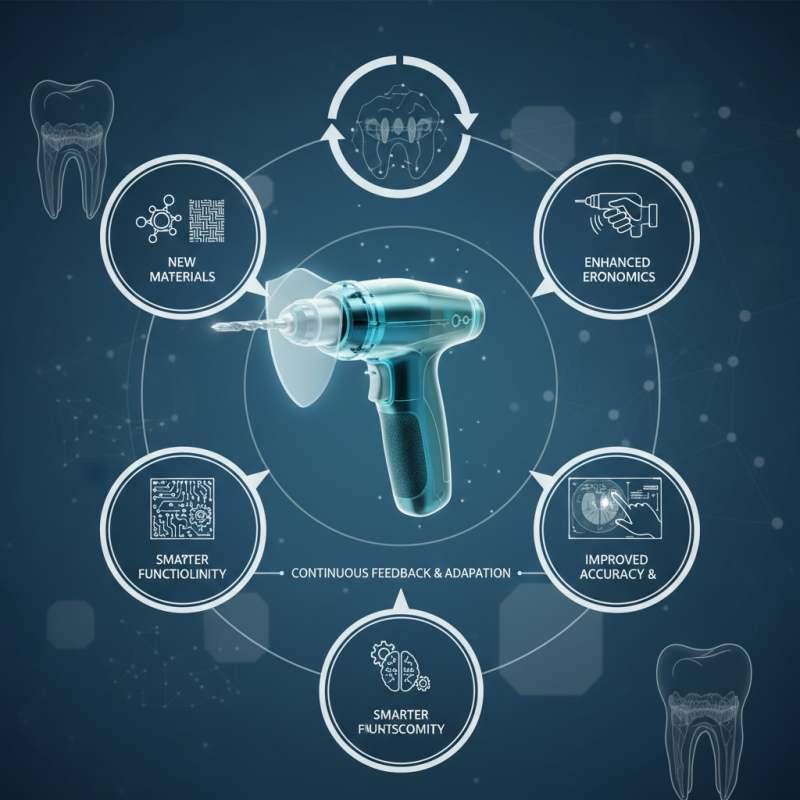
The bone drill market is witnessing dynamic innovations as we approach 2026. Emerging technologies are reshaping design parameters, focusing on efficiency and precision. Data from recent industry reports indicate that the global bone drill market is projected to grow at a CAGR of 4.5%, reaching over $2 billion by 2026. This growth is largely fueled by advancements in surgical techniques and patient demand for minimally invasive procedures.
One notable trend is the integration of smart technologies into bone drill designs. Sensors equipped drills can provide real-time feedback during surgery, enhancing accuracy. However, the reliance on technology brings challenges. Surgeons must adapt to these changes while maintaining their skills. Over-dependence on technology could lead to skill degradation. Furthermore, training programs must evolve to ensure effective use of these advanced tools.
Additionally, eco-friendly materials are making headway in bone drill manufacturing. These innovations not only address medical waste but also aim to reduce production costs. Yet, the transition poses questions about material durability and effectiveness. Continuous research and testing are essential before widespread adoption. Balancing innovation with proven techniques remains a critical concern for manufacturers and clinicians alike.

The landscape of bone drill technology is constantly evolving. Advancements in materials are at the forefront of this evolution. New composite materials are being developed. These materials enhance durability and reduce weight. This allows for easier handling during surgical procedures. Lightweight designs can improve precision.
Metallic alloys are also making waves. They provide strength without adding unnecessary bulk. Some alloys can withstand higher temperatures, which is crucial during procedures. However, not all materials perform the same in real-world conditions. There are issues with wear and tear that need attention. Ensuring these tools last longer requires ongoing research.
Biodegradable options are emerging as well. These materials can reduce environmental footprints. However, they often compromise on strength and functionality. The challenge lies in balancing performance with sustainability. Medical professionals are navigating these advancements carefully. The future of bone drills depends on finding that perfect blend.
The landscape of universal bone drills is rapidly evolving. Smart features and automation are at the forefront of this transformation. According to a recent market analysis, the global smart medical devices market is projected to reach $98 billion by 2025. This growth is driven by advancements in automation and artificial intelligence.
Automated bone drills are now capable of adjusting speed and torque in real-time. This enhancement reduces the risk of complications during orthopedic surgeries. However, reliance on automation poses challenges. Surgeons must remain vigilant, as overdependence can lead to skill degradation. Robust training is essential for medical professionals to maintain proficiency.
Additionally, smart features, such as integrated imaging systems, streamline the surgical process. These innovations improve precision in bone drilling procedures. Yet, the integration of technology introduces concerns about data security and software reliability. As these tools become commonplace, the medical community must address these challenges to ensure patient safety. The balance between innovation and caution is crucial in this evolving field.
The future of bone drill technology is being shaped by a strong focus on safety and ergonomics. Innovations are emerging that prioritize user comfort during surgical procedures. For instance, lightweight materials reduce fatigue during prolonged use. Additionally, ergonomic handles improve grip and reduce strain on the wrist. These adjustments are essential for surgeons who rely on precision and prolonged attention.
Safety features are also advancing. Improved torque control helps prevent accidents. Enhanced visibility technologies, such as integrated lights, assist in maintaining a clear view of the surgical site. Yet, the industry must continually reflect on these improvements. Are we overcomplicating tools that should be simple? User feedback is vital for these innovations to succeed. Designs must cater to real-world conditions, not just lab environments. This constant evolution can lead to better outcomes for patients and practitioners alike.
The bone drill industry is experiencing a significant shift towards sustainability. Eco-friendly innovations are emerging as critical trends. According to a recent market report, over 34% of manufacturers are prioritizing sustainable materials for their products. This transition is driven by increased awareness of environmental impact.
Manufacturers are exploring biodegradable options and recyclable components in their bone drills. For instance, natural polymers are being introduced to replace conventional plastics. These materials break down easily, reducing landfill waste. Studies indicate that adopting such practices can lower the carbon footprint by 20% in medical device production.
However, not all companies are transitioning quickly enough. Some remain hesitant due to higher production costs associated with sustainable materials. This reluctance could hinder progress in eco-friendly practices. It raises questions about the balance between cost-efficiency and environmental responsibility. The industry must confront these challenges to create a lasting positive impact on the planet.
© 2025 EXCELSIUS MEDICAL All rights reserved
Taiwan Office
2F., No. 18, Ln.31, Sec.1, Huandong Rd.,
Xinshi Dist., Tainan City 744, Taiwan, R.O.C.
German Office
Zeppelinstr. 4, Haus 3&4,
D-85399 Hallbergmoos, Germany
