
Top 10 Benefits of Using Autoclave Vessels for Sterilization?

In the realm of sterilization, the Autoclave Vessel stands out. This powerful tool is essential in various industries, such as healthcare, laboratories, and food processing. The benefits of using an Autoclave Vessel are numerous and impactful.

Sterilization is crucial for eliminating harmful microorganisms. An Autoclave Vessel achieves this through high pressure and temperature. It's not just about killing germs; the process ensures safety and quality. Many businesses rely on it for compliance with health standards. However, some still overlook its importance, leading to potential contamination risks.

Employing an Autoclave Vessel promotes efficiency. It streamlines processes and saves time. But, it requires proper training and regular maintenance. Neglect can lead to failures, compromising results. Thus, understanding both its benefits and limitations is vital for optimal use.
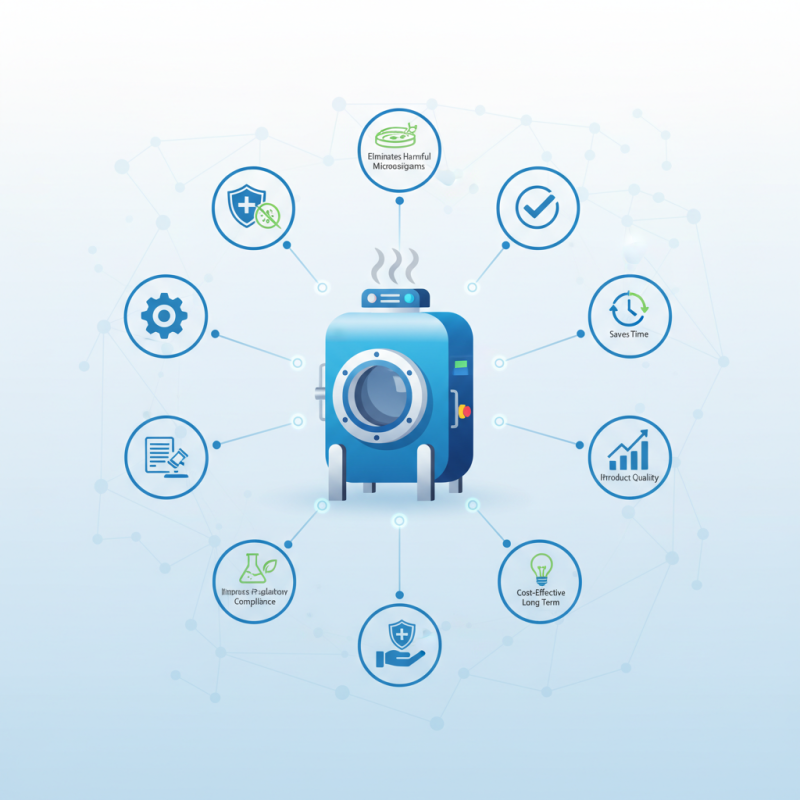
Top 10 Benefits of Using Autoclave Vessels for Sterilization?

Understanding Autoclave Vessels: A Key to Effective Sterilization

Autoclave vessels are essential for effective sterilization across various industries. They utilize high-pressure steam to eliminate bacteria, viruses, and spores. Understanding how these vessels work can significantly improve sterilization practices. The high temperature and pressure inside the autoclave create an environment that ensures thorough sterilization.

Tips: Regularly inspect your autoclave for maintenance. Check seals and ensure proper operation to avoid failures. Steam quality is crucial. Always utilize distilled water to prevent mineral buildup. Remember that different materials require different sterilization cycles. Improper settings can lead to ineffective sterilization.

The importance of knowing your load types is often overlooked. Not all items react the same under heat and pressure. Some materials can be damaged, leading to unsafe outcomes. Additionally, keep a log of each sterilization cycle. This practice helps identify patterns or recurring issues with specific loads. Small adjustments can make a big difference in ensuring complete sterilization.

Benefit 1: Reliable Elimination of Microorganisms and Spores

When it comes to sterilization, autoclave vessels stand out for their reliability in eliminating microorganisms and spores. The method involves high-pressure steam, creating an environment where most pathogens cannot survive. This unique process penetrates materials thoroughly, ensuring that even hard-to-reach areas are treated effectively.

In many laboratories, the effectiveness of an autoclave is crucial. However, not all items can be safely autoclaved. Some materials may degrade or release harmful substances under high heat and pressure. It's important for users to be aware of what can and cannot go inside an autoclave. A lack of proper understanding may lead to ineffective sterilization or even damage to valuable equipment.

Moreover, regular maintenance is essential. If an autoclave is not functioning properly, there could be serious implications for sterilization. Users should routinely check calibration and seals. Neglecting these aspects can result in false security. Knowing the limitations and necessary precautions is vital for optimal use of autoclave vessels.

Benefit 2: Enhanced Safety in Clinical and Laboratory Environments

In clinical and laboratory environments, safety is paramount. Autoclave vessels play a crucial role in enhancing that safety. They effectively sterilize instruments, ensuring that no harmful pathogens remain. This drastically reduces the risk of infections. When using autoclaves, one can feel more confident handling sterilized equipment.

However, there may be challenges. It's essential to monitor the autoclave’s performance regularly. If the machine malfunctions, it could lead to ineffective sterilization. Without proper maintenance and checks, even the safest environment can become risky. Operators should be well-trained to handle autoclaves, understanding their features and limitations.

Proper loading of materials into the vessel is another critical point. Overloading can prevent steam from circulating effectively. This oversight can compromise sterilization outcomes, leading to potential infections. Each autoclave type has specific guidelines. Adhering to these ensures optimal safety and effectiveness, but it requires constant attention and care from the staff.

Top 10 Benefits of Using Autoclave Vessels for Sterilization

Benefit Description Impact on Safety
Effective Sterilization Destroys all microorganisms, including spores. Reduces risk of infections in clinical settings.
Enhanced Safety Prevents exposure to hazardous pathogens. Protects healthcare workers and patients.
Time Efficiency Completes sterilization cycles quickly. Facilitates faster patient care and laboratory processes.
Environmentally Friendly Uses steam instead of toxic chemicals. Minimizes chemical waste and pollution.
Cost-Effective Reduces long-term costs associated with infections. Decreases need for additional treatments.
Versatile Applications Suitable for various instruments and materials. Enhances safety across diverse clinical and laboratory environments.
User-Friendly Easy to operate with simple controls. Enhances safety with clear instructions and monitoring.
Reliable Results Consistent sterilization outcome with regular use. Increases confidence in the safety of medical procedures.
Regulatory Compliance Meets standards set by health authorities. Ensures safety and efficacy in healthcare facilities.
Increased Productivity Streamlines workflows in healthcare and research. Supports a safer and more efficient work environment.

Benefit 3: Cost-Effectiveness and Time Efficiency in Sterilization Processes

Using autoclave vessels for sterilization brings numerous advantages, particularly in terms of cost-effectiveness and time efficiency. Autoclaves utilize high-pressure steam to eliminate microorganisms. This method is rapid, significantly reducing overall sterilization times compared to traditional methods. For many facilities, efficiency translates to saving valuable time and money.

Many laboratories may underestimate the importance of proper maintenance. An unmaintained autoclave can lead to operational delays and increased costs. Regular checks can prevent these issues. Moreover, ensuring that the autoclave is appropriately sized for the volume of use will enhance efficiency.

It's essential to train staff properly. Understanding the autoclave's operation minimizes errors and maximizes results. Well-trained staff can ensure that every load is processed effectively, cutting down on repeated cycles. A common mistake is to overload autoclaves, which can compromise sterilization outcomes. Proper loading techniques can significantly enhance the process's effectiveness.

Benefit 4: Versatility in Sterilizing Various Medical and Laboratory Tools

Autoclave vessels offer a remarkable level of versatility in sterilizing various medical and laboratory tools. They can effectively sterilize items such as surgical instruments, glassware, and even some plastics that can withstand high temperatures. This adaptability is crucial in environments where different tools are frequently used. For instance, hospitals often face a variety of sterilization needs daily.

Different materials need specific temperatures and pressures to be properly sterilized. Autoclaves allow for adjustment to meet those needs. However, achieving the right conditions isn't always straightforward. Sometimes, users misjudge the compatibility of materials, leading to ineffective sterilization. This can result in potential risks for patients and researchers alike. Thus, a deep understanding of the items being sterilized is essential.

Additionally, the versatility of autoclave vessels encourages innovation in sterilization practices. Laboratories can experiment with various methods to improve their techniques continually. However, this comes with its own challenges. A lack of standardization might lead to inconsistent results. Regular training and communication within teams can help mitigate such issues. Embracing both the strengths and weaknesses of autoclave technology is vital for ensuring safety and effectiveness in sterilization processes.

Top 10 Benefits of Using Autoclave Vessels for Sterilization

Conclusion

Autoclave vessels are essential tools in ensuring effective sterilization across various medical and laboratory settings. Their primary benefit lies in the reliable elimination of microorganisms and spores, making them indispensable for maintaining sterile environments. Furthermore, autoclave vessels enhance safety, as they minimize the risk of contamination and exposure to hazardous pathogens.

In addition to safety, these vessels offer significant cost-effectiveness and time efficiency, streamlining the sterilization process without compromising on quality. Their versatility allows for the sterilization of various medical and laboratory tools, catering to diverse needs in healthcare and research. Lastly, utilizing autoclave vessels aids in improved compliance with health and safety regulations, ensuring that established standards are met and upheld.