10 Best Compact Foot Massagers for Home and Travel
Foot discomfort is common, yet it can be easy to overlook until the end of a long day. The American Podiatric Medical Association’s 2014 survey reported that 77% of U.S. adults had experienced foot pain. That figure is self-reported and now more than a decade old, so it should be read as a useful snapshot, not a current prevalence estimate. Still, it points to a familiar need: convenient ways to unwind tired feet at home or away.
A Compact Foot Massager can fit beside a sofa, under a desk, or inside a suitcase. But a smaller footprint does not automatically mean a better massage. Pressure may feel too gentle for some users and too intense for others. Controls, noise, cleaning, cord length, and the ease of putting the device away also shape everyday use. Small details matter.
This guide compares 10 compact options for home and travel, focusing on practical features rather than promises of medical results. We consider size, portability, massage settings, and day-to-day convenience, while noting where product specifications cannot predict personal comfort. A foot massager is a comfort tool, not a diagnosis or treatment. That distinction matters. If pain is persistent, worsening, or unusual, professional advice is more appropriate than relying on a gadget alone. No single model will suit every foot, and that is worth admitting before choosing one.
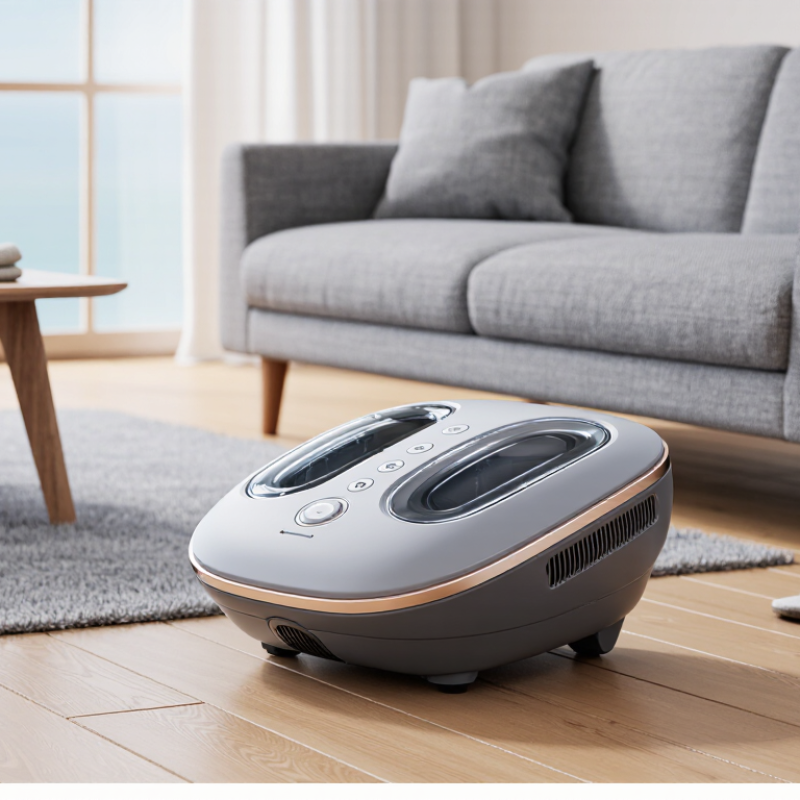
What Compact Foot Massagers Are and How They Work
Compact foot massagers use rollers, vibration, air pressure, or gentle heat to stimulate the soles and arches. Rollers move beneath the foot, creating a kneading sensation; air chambers inflate and deflate around it. Vibration provides a lighter, buzzing feel. Heat may add comfort, but it does not treat the cause of foot pain. Designs vary: some fit under a desk, while others fold into luggage. A useful fit leaves room to shift your toes. The pressure should feel comfortable, not sharp.
The American Podiatric Medical Association’s 2014 survey of 1,000 U.S. adults found that 77% had experienced foot problems. That self-reported figure signals how common discomfort can be, but it does not prove that a massager will relieve it. The feel varies. A short session may ease tiredness for some people; research on massage does not establish that every device treats a medical condition. Still, a pleasant session is not proof of treatment. People with diabetes, reduced foot sensation, circulation problems, or unexplained pain should ask a healthcare professional before using heat or strong compression. Check the controls and pressure first, especially when trying a compact model in a small room or while traveling.
10 Best Compact Foot Massagers for Home and Travel: What They Are and How They Work
Compact foot massagers use different mechanisms to create a massage sensation. This chart maps each mechanism to its defining physical action: 1 means the action is inherent to that mechanism; 0 means it is not. Actual products may combine multiple mechanisms.
Key Features to Consider for Home and Travel
A compact foot massager should fit where you will actually use it, not just look small in a product photo. Check its length, width, and height against the space under your desk or beside a suitcase. Weight matters too. A few extra pounds can make a travel device less convenient, especially when luggage is already full. For trips, compare the power source and plug requirements with your destination. Some models need a wall outlet; others use rechargeable batteries. Keep it simple.
Comfort depends on more than massage modes. Look for adjustable intensity, clear controls, and foot chambers that fit your shoe size. Gentle heat can feel pleasant on a cold evening, but it should be optional and easy to switch off. A removable, washable liner is useful after repeated use. So is a stable base that stays put on tile or wood. Noise is easy to overlook until you use the device in a shared room. A feature list can be misleading; read the dimensions and care instructions closely. Foot massagers may ease everyday tension, but they are not a substitute for medical advice when pain persists. Some details are easy to miss.
Types of Compact Foot Massagers and Their Benefits
Compact foot massagers use different methods, and each suits a different routine. Manual rollers are lightweight and need no power. Roll one beneath your sole while seated, adjusting pressure around tender spots. They are easy to pack, though they can feel tiring if your hands or ankles lack mobility. Simple, but useful.
Shiatsu-style models use rotating nodes to press and knead the feet. Some add gentle warmth, which may feel soothing after a long day in firm shoes. Air-compression designs wrap around the feet and inflate in cycles, creating a squeezing sensation rather than a deep knead. They may suit people who prefer even pressure, but fit matters: a loose chamber can miss the arch, while a tight one may feel uncomfortable.
Vibration units and compact massage mats offer another option. Vibration gives a light, broad sensation, while mats can be used barefoot at a desk or beside a bed. Neither necessarily reaches deep into the muscles. Check the controls, cleaning instructions, and session settings before buying; small devices can be awkward to position, and more features do not always mean a better massage. Start gently, especially if your feet are unusually sensitive, and stop if discomfort develops.
Ten Compact Foot Massagers Compared
Ten Best Compact Foot Massagers for Home and Travel: Ten Compact Foot Massagers Compared
Ten compact foot massagers differ in pressure, footprint, and cleanup—not just in how many settings they offer. This comparison covers ten common styles, from manual roller boards and textured balls to electric kneading, vibration, and air-compression units. A roller board needs no power and slips beside a suitcase, but it asks your feet to do the work. Electric units provide more consistent motion; check their weight, cord length, and whether the foot sleeves can be wiped clean. Small details matter. A bulky plug can spoil an otherwise travel-friendly design.
The American Podiatric Medical Association’s 2014 consumer survey reported that 77% of Americans had experienced foot problems. That figure supports taking comfort seriously, but it does not prove that a massager treats pain. For comparison, check pressure adjustment, heat control, stability on hard floors, and fit across different foot sizes. Air compression may feel gentler than deep rollers, though comfort is personal. A device that feels soothing in a store can feel too intense after ten minutes at home.
For travel, compare packed dimensions and power requirements, not just product photos. Battery-powered units avoid outlet hunting, while manual tools are lighter and simpler to clean. Test controls with bare feet; tiny buttons can be awkward. I would also record noise and heat after a full session, since quick demonstrations miss both. These checks are useful, but not a clinical evaluation. Stop if massage causes pain, numbness, or skin irritation, and ask a healthcare professional about persistent symptoms.
How to Use and Maintain a Compact Foot Massager
Before using a compact foot massager, place it on a stable, dry floor and check its manual. Designs vary, so follow the maker’s guidance for session length and cleaning. Start with the lowest comfortable setting. Keep your feet relaxed, and stop if you feel pain, tingling, or unusual numbness. Short sessions are a sensible way to learn how the pressure feels. Don’t use the device while asleep. If you have reduced foot sensation, circulation problems, or a current foot injury, ask a health professional before use. It is tempting to turn the intensity up quickly; more pressure is not always better.
After each session, switch the massager off and unplug it. Let it cool if the manual recommends that, then wipe the surface with a soft, slightly damp cloth. Keep water away from motors, controls, and plugs. Remove and wash any cover only if the care instructions allow it. Check rollers and seams for lint or grit; a dry, soft brush can help clear loose debris. Small details matter. Don’t pull the cord to move the unit, and avoid wrapping it tightly around the body. Store it somewhere dry, away from heavy objects. A rushed wipe-down is easy to forget, so set a reminder until the routine sticks.