
Interest in Vitamin B12 For Hair is growing among supplement brands, private-label buyers, and Chinese manufacturers. Yet stronger marketing does not automatically mean stronger evidence.
The U.S. National Institutes of Health Office of Dietary Supplements reports that adults generally need 2.4 micrograms of vitamin B12 daily. It also explains that deficiency may cause anemia, fatigue, neurological problems, and other symptoms. Hair loss can appear in some deficiency cases, but it is not a universal B12 symptom. Evidence remains limited. That matters.
As hair-disorder specialist Dr. Amy McMichael states, “Hair loss is a symptom, not a diagnosis.” Her warning helps frame responsible product development. A reliable Vitamin B12 For Hair formula should not promise regrowth for every customer. It should identify a clear nutritional purpose.
The best Chinese manufacturer should provide batch-specific certificates of analysis, microbial testing, heavy-metal results, and stability data. GMP compliance is important. So is transparent sourcing. Buyers should check whether the ingredient is methylcobalamin, cyanocobalamin, or another approved form. The National Academies’ Dietary Reference Intakes and NIH guidance provide useful safety references.
A practical product file should show dosage, allergen controls, packaging protection, and manufacturing traceability. A red tablet, a clean label, and a confident claim are not proof of performance. I may be overly cautious, but that is preferable to overstating clinical results. This introduction examines evidence, formulation choices, supplier verification, and the real standards behind China’s best Vitamin B12 For Hair manufacturers.
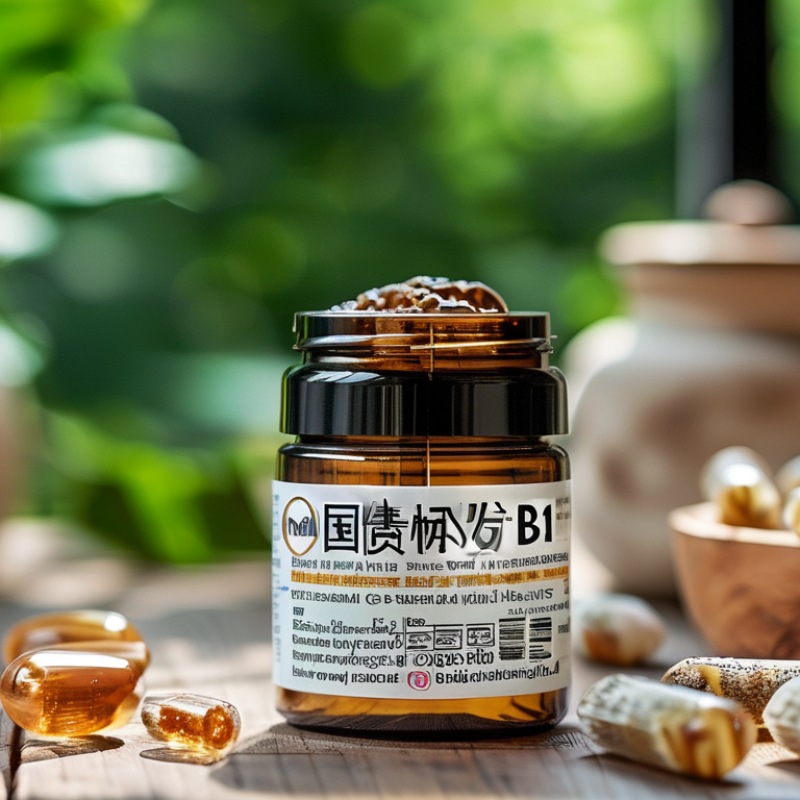
Vitamin B12 supports DNA synthesis, red blood cell formation, and nerve function. Hair follicles need rapid cell turnover, so adequate B12 may support normal growth indirectly. The NIH Office of Dietary Supplements recommends 2.4 micrograms daily for adults. Pregnancy increases the recommendation to 2.6 micrograms. That amount is tiny. Its biological role is not.
B12 deficiency may involve diffuse shedding, especially with fatigue, pale skin, numbness, or a sore tongue. However, B12 is not a universal hair-growth solution. The NIH estimates deficiency affects 1.5% to 15% of the general population. A 2023 review in the International Journal of Trichology found links between micronutrient deficiencies and hair disorders. It also reported inconsistent study methods. The American Academy of Dermatology identifies thyroid disease, iron deficiency, genetics, and inflammation as other causes. The evidence is not perfectly tidy.
For a vitamin B12 manufacturer, responsible formulation requires more than an attractive hair claim. The USP Dietary Supplements Compendium emphasizes identity, potency, purity, microbial limits, and stability testing. Each batch should connect raw-material results with finished-product records. Testing should also confirm label accuracy during shelf life. I would question any product promising regrowth from B12 alone. A careful manufacturer should encourage medical testing when deficiency is suspected, rather than turning every strand into a sales argument.

China Best Vitamin B12 For Hair Manufacturer?
Choosing a vitamin B12 manufacturer in China requires more than comparing prices. A dependable supplier should provide clear production records, qualified staff, and consistent batch control. Check whether the facility follows recognized GMP principles and maintains clean, documented processes. Ask for a current certificate of analysis for every batch. It should show identity, potency, microbiological limits, and heavy metal results. Hair supplements need careful wording. Vitamin B12 may support normal health when deficiency is involved, but it cannot promise faster hair growth for everyone.
Tips: Request samples before signing a large order. Compare the powder’s color, odor, solubility, and test results. Verify the laboratory’s testing method, not only the final number. A vague COA is a warning sign. Also inspect packaging controls, traceability codes, and storage conditions. Temperature and moisture can quietly affect product quality.
A strong manufacturer should explain its raw material source and backup supply plan. It should also support stability testing, label review, and export documentation for your target market. Communication matters during changes. Can the supplier report a failed test honestly? Can it investigate complaints with batch records? These questions reveal practical reliability. Some buyers focus too heavily on certificates. That is understandable, but certificates alone do not prove daily consistency. An independent audit or third-party test can expose gaps before they become costly. Be careful with unusually low quotations. They may reflect weaker testing or incomplete service.
| Evaluation Dimension | Recommended Standard or Benchmark | What to Verify | Relevance to Hair-Health Products |
|---|---|---|---|
| Vitamin B12 Identity | The specification should clearly identify the active form, such as cyanocobalamin or methylcobalamin, rather than using only the term “Vitamin B12.” | Certificate of analysis, raw-material specification, CAS number, assay method, and declared molecular form. | Different B12 forms have different chemical identities, stability profiles, and labeling requirements. |
| Chemical Assay | Use a validated quantitative method, commonly HPLC or another scientifically justified chromatographic method, with a defined acceptance range. | Test method, method validation summary, representative batch results, and laboratory equipment records. | Accurate potency is essential because Vitamin B12 is normally used at microgram-level amounts in finished products. |
| Identity Confirmation | Identity should be confirmed by a suitable orthogonal technique, such as UV-visible spectroscopy, HPLC retention time, or mass spectrometry. | Identity test results and comparison with an approved reference standard. | Helps prevent substitution, mislabeling, or the use of an incorrect cobalamin form. |
| Heavy Metals and Elemental Impurities | Control lead, arsenic, cadmium, mercury, and other relevant elemental impurities according to the destination-market requirements. | Periodic or batch-based ICP-MS/ICP-OES results, laboratory qualification, and documented limits. | Supports consumer safety and reduces contamination risks in supplements and cosmetic formulations. |
| Microbiological Quality | Microbial limits should be defined for the intended application, including total aerobic microbial count, yeast and mold, and specified pathogens where applicable. | Microbiological test reports, sampling plan, environmental monitoring program, and corrective-action records. | Important for oral supplements, gummies, powders, shampoos, and scalp-care formulations. |
| Manufacturing Quality System | Prefer a documented GMP-based quality system supported by applicable ISO 9001, ISO 22000, HACCP, or equivalent controls. | Current certificates, audit scope, expiration dates, quality manual, deviation management, CAPA, and change-control procedures. | A strong quality system improves batch consistency and traceability from raw material to shipment. |
| Raw-Material Traceability | Each lot should be traceable to incoming raw materials, production records, laboratory results, packaging, and dispatch documentation. | Lot-number system, supplier qualification records, batch manufacturing records, and mock-recall evidence. | Traceability enables faster investigation and recall if a quality issue occurs. |
| Stability and Light Protection | Vitamin B12 should be evaluated for sensitivity to light, heat, moisture, oxygen, and formulation pH. | Accelerated and/or long-term stability data, recommended storage conditions, retest period, and packaging compatibility data. | Appropriate packaging and storage can help preserve potency during transport and shelf life. |
| Particle Size and Physical Properties | For powders, define particle-size distribution, bulk density, flowability, color, odor, and dispersibility where relevant. | Product specification, sieve or laser-diffraction data, appearance standards, and batch-to-batch comparison. | Consistent physical properties support uniform mixing and accurate dosing in hair supplements and topical products. |
| Formulation Compatibility | The supplier should provide compatibility guidance for excipients, minerals, botanical ingredients, preservatives, and the intended dosage form. | Technical data sheet, mixing instructions, pH guidance, pilot-batch support, and compatibility or stability studies. | Helps minimize discoloration, potency loss, sedimentation, or uneven distribution in finished products. |
| Documentation Package | A complete technical package should be available before purchase approval. | Specification sheet, SDS, COA, allergen statement, non-GMO statement where applicable, country-of-origin details, and packaging information. | Clear documentation supports import clearance, formulation review, labeling, and customer audits. |
| Regulatory and Labeling Support | The supplier should distinguish between food, dietary supplement, pharmaceutical, and cosmetic applications in the destination market. | Regulatory classification support, permitted-use information, label review assistance, and export documentation. | Hair-related claims must be supported and worded according to the rules of the target country or region. |
| Sampling and Pre-Shipment Testing | Approve a representative sample and define release tests before placing a commercial order. | Sample retention policy, pre-shipment COA, independent laboratory testing option, and agreed product-release criteria. | Reduces the risk of receiving material that differs from the approved sample. |
| Supply and Logistics Control | Use moisture-protective, light-protective packaging and define transport and storage conditions in the purchase specification. | Packaging configuration, temperature and humidity guidance, shelf-life policy, minimum order quantity, lead time, and delivery records. | Proper logistics help protect Vitamin B12 quality from manufacture through final formulation. |
Choosing a reliable vitamin B12 manufacturer for hair supplements requires more than comparing prices. The process begins with qualified raw material suppliers and verified ingredient identity. Each B12 lot should match its certificate of analysis through independent testing. Appearance matters, but it proves little. A clean-looking powder can still fail an assay.
During production, controlled weighing, mixing, and encapsulation help maintain uniform dosage. Operators should record temperature, humidity, equipment cleaning, and batch numbers. In-process checks can detect weight variation before products leave the facility. Finished supplements need testing for potency, microbial contamination, heavy metals, and unwanted impurities. Stability studies also help confirm quality throughout the stated shelf life.
A professional facility follows documented good manufacturing practices and keeps traceable records from raw materials to shipment. Auditors should review laboratory methods, calibration logs, training files, and complaint procedures. Packaging needs practical protection from moisture, light, and handling damage. Vitamin B12 supports normal blood formation and neurological function, but hair claims require careful scientific wording. It should not be presented as a guaranteed hair-growth solution. No process is flawless. Testing can miss problems when sampling is weak or records are incomplete. Manufacturers should investigate deviations honestly and improve procedures after every meaningful finding. Reliability comes from repeated evidence, not confident promises.
China Best Vitamin B12 For Hair Manufacturer?
A reliable evaluation starts with the formula, not the sales brochure. Vitamin B12 supports normal red blood cell formation, but hair-growth claims require careful evidence. Check the B12 form, dosage, capsule or tablet weight, and inactive ingredients. Methylcobalamin and cyanocobalamin have different stability profiles. Request full specifications, allergen statements, dissolution results, and recent batch test reports. A small sample should show consistent color, odor, and weight.
Certifications need closer inspection. Look for current GMP, ISO 22000, HACCP, and relevant third-party testing records. Verify the certificate holder, site address, scope, and expiry date. A polished certificate proves little by itself. Ask for a certificate of analysis linked to the exact lot. Test results should cover identity, potency, microbial limits, heavy metals, and stability. Storage conditions matter too, especially in warm, humid warehouses.
Custom service reveals the manufacturer’s practical strength. Discuss minimum order quantities, pilot batches, private packaging, label review, and documentation support. Ask how formula changes affect testing and lead time. Clear answers are valuable. Vague promises are not. A manufacturer may offer many options, yet poor communication can delay one simple shipment. My own evaluation would still include a factory audit and an independent retest, because paperwork can never replace physical verification.
Use these evidence-based intake benchmarks when reviewing a manufacturer's Vitamin B12 formula, label accuracy, certifications, and custom-service capabilities.
Recommended daily amounts are 2.4 µg for adults, 2.6 µg during pregnancy, and 2.8 µg during lactation. A quality evaluation should also verify the declared B12 form and dosage, independent quality certifications, batch testing, documentation, and available customization services.
Reference: U.S. National Institutes of Health, Office of Dietary Supplements, Vitamin B12 Fact Sheet.
China Best Vitamin B12 For Hair Manufacturer?
When comparing China’s vitamin B12 manufacturers for hair care products, buyers should examine more than price. Vitamin B12 may support products designed for scalp and hair nourishment, but topical evidence for direct hair growth remains limited. A reliable manufacturer should discuss this honestly. Strong claims can weaken consumer trust.
Look for documented raw material identity, assay results, microbial testing, heavy metal screening, and batch traceability. Certificates of analysis should match the actual production lot. Ask whether the facility follows recognized quality systems, such as GMP-based procedures, and whether stability testing covers heat, light, and moisture. Small details matter. Packaging can affect ingredient performance.
Manufacturers differ in formulation experience. Some provide water-soluble solutions, while others develop powders, capsules, masks, or scalp serums. The best option depends on the product format and target market. Request pilot samples before placing a large order. Check color, odor, solubility, pH compatibility, and storage changes over several weeks. A low quotation may hide weaker testing or limited technical support. Still, expensive pricing does not automatically prove superior quality. That assumption deserves review.
Reliable suppliers also explain lead times, minimum order quantities, documentation, and export compliance clearly. Independent laboratory verification can reduce risk. Communication is practical evidence. If technical answers remain vague, continue comparing manufacturers.
© 2025 EXCELSIUS MEDICAL All rights reserved
Taiwan Office
2F., No. 18, Ln.31, Sec.1, Huandong Rd.,
Xinshi Dist., Tainan City 744, Taiwan, R.O.C.
German Office
Zeppelinstr. 4, Haus 3&4,
D-85399 Hallbergmoos, Germany
