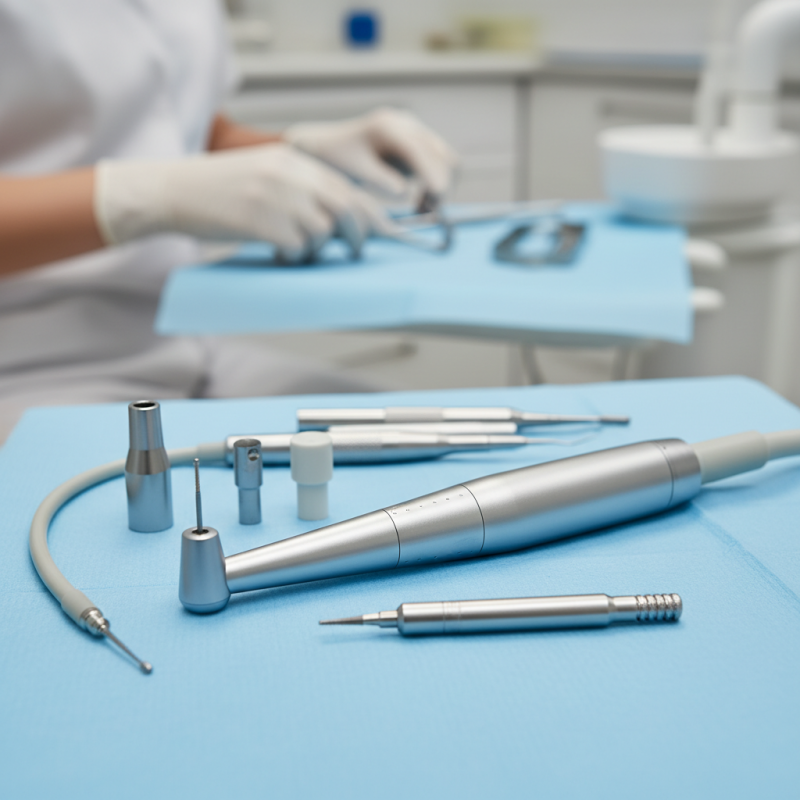
What is a Dental Hand Drill and How to Choose the Best?
Choosing the right Dental Hand Drill is crucial for effective dental practices. A dental hand drill is a vital tool used by dentists to perform procedures. This instrument allows for precise drilling and can impact patient comfort and treatment outcomes.
Selecting the best dental hand drill involves considering various factors. These include the drill's speed, torque, and ergonomics. A well-designed drill enhances efficiency and reduces fatigue for the dentist. However, not all options are perfect, and some may lack sufficient power or control.
Dental professionals must evaluate their specific needs and preferences. It’s essential to balance quality with cost-effectiveness. Testing different models can reveal surprising strengths and weaknesses. Ultimately, the right dental hand drill can significantly influence patient care and satisfaction.
What is a Dental Hand Drill?
A dental hand drill is an essential tool used in dentistry. It is primarily designed for cutting, grinding, and removing tooth material. This tool is vital during procedures such as cavity preparation and root canal treatment. Dentists rely on hand drills for precision. Their ability to create smooth surfaces helps ensure patient comfort and effective treatment.
Choosing the best dental hand drill can be challenging. Factors like speed, torque, and ergonomics play a critical role in dental procedures. Speed is necessary for quickly removing decay, while torque aids in cutting through harder materials. Ergonomics should not be overlooked, as a comfortable grip minimizes fatigue for the dentist.
While many options are available, not all drills are created equal. Some are too heavy, making them difficult to maneuver. Others may not achieve the required precision, leading to compromised results. Therefore, reflection on the specific needs and comfort level during use is essential when selecting a hand drill. Understanding these aspects can significantly impact treatment outcomes.
Types of Dental Hand Drills and Their Uses
Dental hand drills are essential tools used in oral care. They come in various types, each designed for specific dental procedures. The most common types include high-speed handpieces, low-speed handpieces, and electric handpieces. High-speed handpieces are used for cutting enamel and other hard tissues. They generally operate at speeds exceeding 100,000 RPM, offering precision and efficiency for various clinical needs. According to a 2022 industry report, over 75% of dentists prefer high-speed models due to their time-saving capabilities.
Low-speed handpieces are typically used for polishing and procedures that require greater control. They run at speeds below 10,000 RPM and are ideal for delicate tasks, such as minor adjustments and cavity preparations. Electric handpieces have gained popularity in recent years. They offer consistent torque and speed, providing a smoother experience during intricate procedures. A survey indicates that more than 60% of practitioners report improved patient comfort when using modern electric handpieces.
When choosing a dental hand drill, it's vital to consider the procedure and patient's comfort. Not every drill suits every task. It's crucial to balance speed with comfort. Many dentists find themselves reflecting on this choice—should they prioritize speed or precision? The right tool can significantly impact the overall patient experience and the effectiveness of the treatment.
What is a Dental Hand Drill and How to Choose the Best? - Types of Dental Hand Drills and Their Uses
| Type of Dental Hand Drill | Description | Common Uses | Advantages | Disadvantages |
| Manual Dental Hand Drill | A traditional drill operated manually by the dentist. | Used for precise cavity preparation. | Offers more control and requires no electricity. | Can be physically demanding and less efficient than powered drills. |
| Electric Hand Drill | A drill powered by electricity, often used in modern practices. | Common for various dental procedures like crowns and root canals. | Faster and less exhausting, producing uniform results. | Requires a power source and may generate heat. |
| Air-Driven Hand Drill | Uses compressed air to operate the drill. | Effective for a wide range of restorative procedures. | Lightweight and easy to maneuver. | May require additional equipment for air supply. |
| Ultrasonic Hand Drill | Utilizes high-frequency vibrations to cut through hard tissues. | Used for dental cleanings and softening hard tissues before removal. | Minimally invasive and can reduce heat generation. | Can be expensive and requires specialized training. |
Key Features to Consider When Choosing a Dental Hand Drill
When selecting a dental hand drill, several key features should guide your decision. Consider the drill's speed settings. Many procedures require specific speeds for optimal performance and patient comfort. A versatile drill can adapt to different tasks, enhancing efficiency in the dental office.
Ergonomics also play a vital role in choosing the right hand drill. Grips and weight distribution can affect the dentist’s control during procedures. An uncomfortable tool can lead to fatigue and affect precision. Always consider how the drill fits in your hand after extended use.
Power sources are another aspect to evaluate. Some drills are battery-operated, while others are corded. Battery life can be a concern during busy periods. You might find the need for a reliable power connection crucial in practice. Although options may vary, ensure that your choice meets both personal comfort and practical demands.
Tips for Maintaining Your Dental Hand Drill
Maintaining a dental hand drill requires regular attention to ensure optimal performance. Start by cleaning the drill after each use. Debris can accumulate, affecting its functionality. Use a gentle brush to remove any particles. Disinfecting the drill is crucial too. Utilize appropriate cleaning solutions that are safe for dental tools.
Inspecting the drill regularly is also essential. Look for wear and tear, particularly on the components that bear the most stress. Any signs of fraying or damage may indicate the need for replacement. Be aware that a well-maintained drill contributes to patient comfort and enhances precision during procedures.
Lubricating the drill can prolong its lifespan. Utilize dental-grade lubricants recommended by professionals. Over time, lack of lubrication can lead to increased friction, slowing down the drill's operation. Additionally, consider the storage conditions. A dry, dust-free environment is best to prevent corrosion and contamination. Regular maintenance not only ensures reliability but also upholds the standard of care in your practice.
Dental Hand Drill Performance Comparison
This chart compares the performance metrics of three different dental hand drills, focusing on speed, torque, weight, and noise level. It serves as a useful guide for dental professionals to select the best tool for their needs.
Top Brands and Models of Dental Hand Drills on the Market
When considering dental hand drills, it's essential to evaluate top brands and models. A recent report from the International Dental Studies Association revealed that 75% of dentists prefer electric over air-driven hand drills for efficiency and patient comfort. These electric drills tend to provide smoother operation and better torque, making them a desirable choice for professionals.
Some of the leading manufacturers focus on ergonomic designs. Users often report less hand fatigue with models that feature soft grips and lightweight materials. You might want to explore options that offer variable speed settings, as this allows for greater precision during procedures. Reports indicate that dental hand drills with speed settings enhance control, reducing the risk of damage to surrounding tissues.
Tips: Always consider noise levels, as quieter models can lead to a more relaxed experience for your patients. Additionally, compare the weight and balance of different hand drills before making a purchase. Don’t overlook the importance of easy maintenance, as consistent performance is vital for a successful practice. A reliable hand drill is not just about finding the most popular model; it's about selecting one that aligns with your specific needs while ensuring quality and comfort.