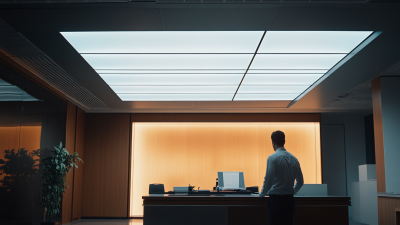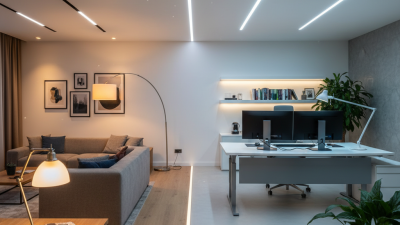
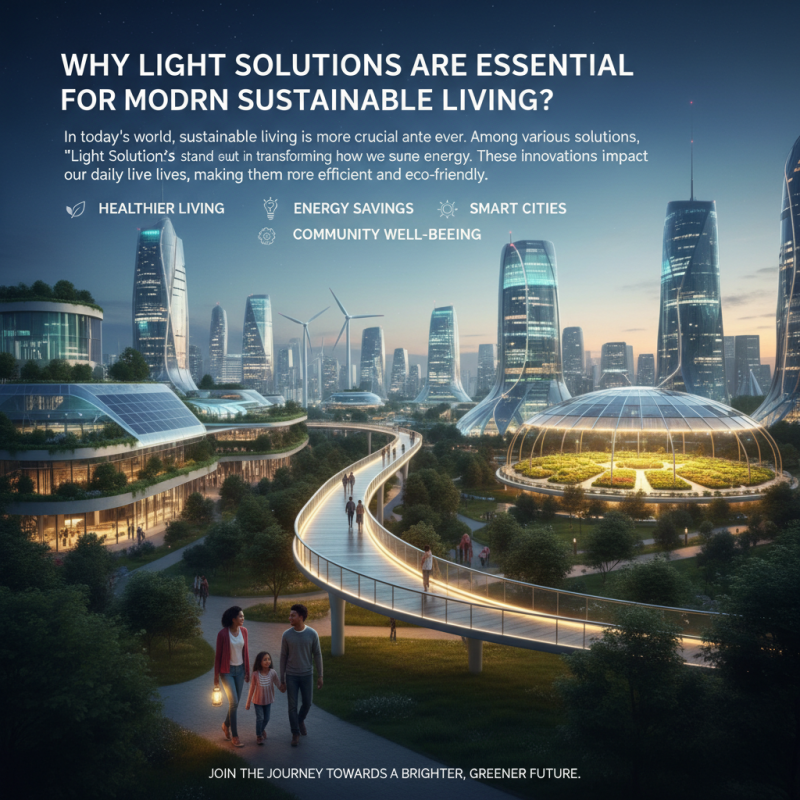
In today's world, sustainable living is more crucial than ever. Among various solutions, "Light Solutions" stand out in transforming how we consume energy. These innovations impact our daily lives, making them more efficient and eco-friendly.
Light Solutions aren't just about saving electricity. They create a healthier living environment. For example, using LED lights can reduce energy bills significantly, yet many still hesitate to adopt them. People often overlook the importance of light's quality. Not all lighting options enhance well-being.
As cities grow, incorporating smart lighting becomes vital, yet many areas lag behind. Communities need better awareness of these benefits. Achieving true sustainability requires a collective effort. Light Solutions present an opportunity for progress, but challenges remain. The journey towards a brighter, greener future is just beginning.
Light plays a crucial role in energy efficiency. Natural light reduces reliance on artificial sources. When homes utilize sunlight, energy consumption drops significantly. Open spaces with large windows can capture more light. This simple strategy can lower electric bills.
However, not every home is designed for optimal light use. Many buildings block sunlight entirely. This mistake often leads to higher energy use. Choosing the right colors for walls can reflect light better. Light colors amplify natural light. Dark colors absorb it.
Innovative lighting solutions can further enhance efficiency. LED bulbs consume less energy and last longer. Their benefits extend beyond mere savings. They also contribute to a more sustainable lifestyle. Yet, many people still underestimate these options. Awareness is key. Education on lighting choices can drive change. Light is not just essential; it is a powerful ally in sustainability.
This bar chart illustrates the annual energy consumption of various lighting types. As evident, LED and smart lighting options provide significant energy savings compared to traditional incandescent and fluorescent lights, emphasizing their importance in modern sustainable living.
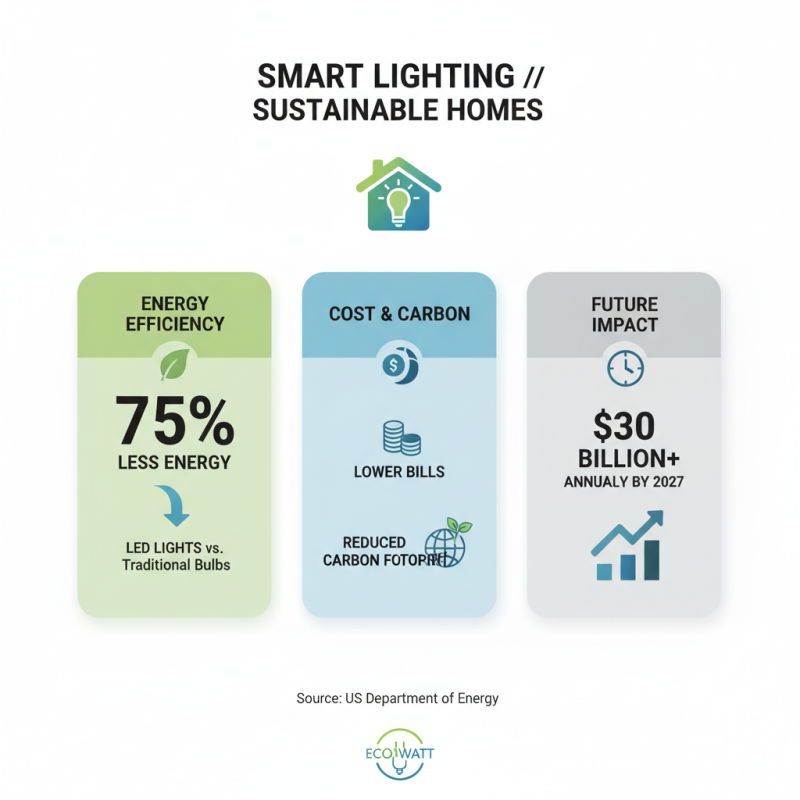
Innovative lighting technologies are reshaping sustainable homes. Energy-efficient solutions like LED lights consume up to 75% less energy than traditional bulbs. This efficiency not only lowers bills but also reduces carbon footprints significantly. According to the U.S. Department of Energy, widespread adoption of LEDs could save over $30 billion annually by 2027.
Smart lighting systems offer even more advantages. These systems use sensors and automation to adjust light according to occupancy and natural light availability. Studies indicate that homes equipped with smart lighting can reduce energy costs by as much as 25%. Yet, many homeowners remain unaware of these advancements. The challenge lies in education and accessibility.
While the shift toward sustainable lighting is promising, hurdles remain. Availability of technology in rural areas is limited. Furthermore, the initial investment for smart systems can deter many. Addressing these issues is crucial for widespread adoption. Balancing innovative solutions and economic feasibility is a continuous journey.
The environmental impact of traditional lighting solutions is significant. Incandescent bulbs consume a lot of energy. They waste about 90% of their energy as heat. This inefficiency leads to higher carbon emissions from power plants. In contrast, modern lighting options, like LEDs, use much less energy. They can be up to 80% more efficient than older bulbs. This switch can greatly reduce energy bills and lower one’s carbon footprint.
However, the transition to modern lighting isn’t without challenges. Production of some LEDs involves toxic materials. Improper disposal can lead to environmental harm. Furthermore, the initial cost of modern solutions can be higher. Many people hesitate to invest upfront, despite long-term savings. We must address these concerns as we adopt sustainable practices. A greater awareness of resource impacts is essential. We need to rethink our choices and prioritize sustainability without compromising health or budget.
| Lighting Type | Average Lifespan (Hours) | Energy Consumption (Watts) | CO2 Emissions per Year (kg) | Recyclability |
|---|---|---|---|---|
| Incandescent Bulb | 1,000 | 60 | 113 | No |
| CFL (Compact Fluorescent Lamp) | 10,000 | 15 | 27 | Yes |
| LED (Light Emitting Diode) | 25,000 | 10 | 18 | Yes |
| Halogen Bulb | 2,000 | 50 | 100 | No |
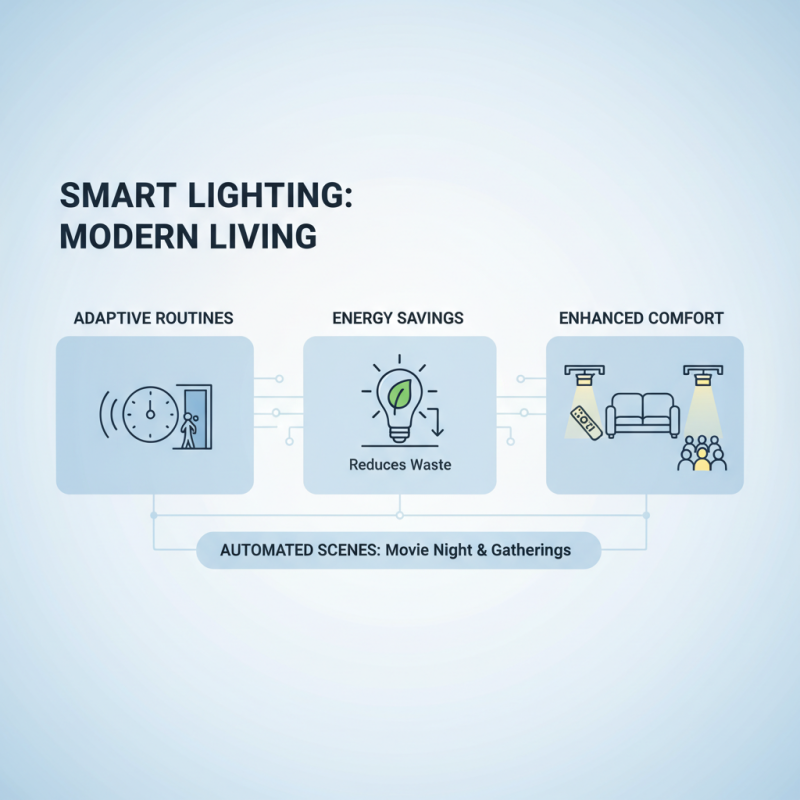
In modern living spaces, smart lighting plays a vital role. It adapts to our daily routines and enhances comfort. Imagine walking into a room, and the lights brighten as you enter. This setup reduces energy waste and creates an inviting atmosphere. Smart lighting systems can be programmed to dim during movie nights or brighten during evening gatherings.
However, these technologies also raise concerns. Not everyone can access the latest smart lighting options. Some homes may lack the necessary infrastructure. It's crucial to consider how we integrate these solutions in various settings. Moreover, reliance on tech can lead to issues if the system fails. We must think about manual alternatives to ensure we aren't entirely dependent on smart devices.
Embracing smart lighting is about balance. The benefits improved comfort and energy conservation are clear. But we should reflect on accessibility and reliability. Addressing these challenges can lead us to a more sustainable living future.
Urban sustainability initiatives are transforming communities through the integration of innovative light solutions. Cities are harnessing energy-efficient lighting to reduce carbon footprints. According to a report by the International Energy Agency, intelligent lighting can cut urban energy usage by up to 30%. This shift is pivotal for mitigating climate change impacts.
Cities are experimenting with smart street lighting that adapts to real-time conditions. For example, systems equipped with sensors and data analytics can dim lights when no one is around. However, there’s a challenge: the initial costs can be a barrier for implementation. Many cities struggle to secure funding. A report from the Global Lighting Association suggests that investment returns can be significant, yet many stakeholders hesitate.
Equitable access to light solutions is often overlooked. Some communities might benefit less than others due to budget constraints or planning oversight. Vulnerable populations may miss out on well-lit safe spaces. The dialogue surrounding sustainability must include them to ensure comprehensive solutions. Urban areas must strive for inclusivity in these initiatives, acknowledging disparities in access to modern light solutions.
© 2025 EXCELSIUS MEDICAL All rights reserved
Taiwan Office
2F., No. 18, Ln.31, Sec.1, Huandong Rd.,
Xinshi Dist., Tainan City 744, Taiwan, R.O.C.
German Office
Zeppelinstr. 4, Haus 3&4,
D-85399 Hallbergmoos, Germany