
What is an Implant Screwdriver and How to Choose One?

In the world of dental implants, precision is crucial. An Implant Screwdriver is a key tool for clinicians. Selecting the right screwdriver can greatly affect the implant success rate. According to a 2022 study published in the Journal of Oral Implantology, improper tool choice contributes to a 15% increase in failure rates.

Dr. Amanda Lee, a leading expert in implant dentistry, states, "The right Implant Screwdriver differentiates between optimal and suboptimal results." This highlights the importance of choosing an appropriate tool. An Implant Screwdriver must have the right torque and fit to ensure proper seating of the implant. Factors like material, ergonomics, and compatibility with implants matter significantly.

However, the vast market can be overwhelming. Many practitioners struggle to identify the right product for their specific needs. This sometimes leads to using subpar tools, impacting patient outcomes. Understanding the nuances of the Implant Screwdriver is essential for every dental professional aiming for excellence.
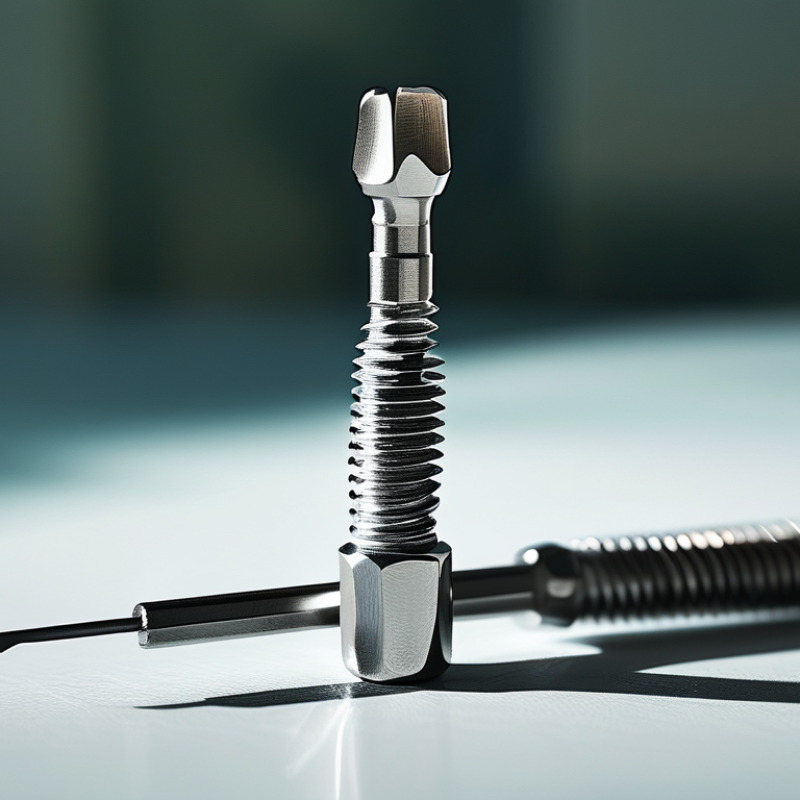
What is an Implant Screwdriver and How to Choose One?

What is an Implant Screwdriver?

An implant screwdriver is a specialized tool designed for the placement and removal of dental implants. Typically made from stainless steel or titanium, it ensures durability and precision during procedures. The unique design allows for better grip on implant screws, which reduces the risk of stripping. Research indicates that using a high-quality screwdriver reduces complications during placement, enhancing overall success rates. According to a study published in the *Journal of Oral Implantology*, proper tool selection directly correlates with postoperative outcomes.

Choosing the right screwdriver involves several factors. First, consider the shaft length and hex size, which must match the implant system. Improper fit can lead to damage or failure to secure the implant. Ergonomics also play a critical role. A well-designed handle can ease the operator's fatigue over long procedures. It's essential to remember that not all screwdrivers perform equally. An evaluation of user feedback and case studies can help determine which designs yield the best results.

Tips: Always inspect the screwdriver before use. Look for wear or damage. A compromised tool can lead to complications. Additionally, keep a variety of screwdrivers on hand for different implant systems. This flexibility can save time and improve surgical outcomes. Finally, regular training on handling these tools can further enhance precision in implant procedures.

Usage of Different Types of Implant Screwdrivers

Types of Implant Screwdrivers Available in the Market

When it comes to choosing an implant screwdriver, understanding the types available is crucial. These tools come in various designs and sizes, each serving specific functions. The most common types include torque screwdrivers, manual screwdrivers, and power screwdrivers. Torque screwdrivers offer precise control, making them ideal for delicate procedures. Manual screwdrivers provide simplicity and ease of use, while power screwdrivers enhance efficiency during surgeries.

Another important type is the angled screwdriver. This design allows access to difficult-to-reach areas, making it valuable in complex implantations. Each type has unique characteristics, suited for different applications and preferences of dental or surgical professionals. It’s essential to analyze the specific requirements of your procedure before selection.

Selecting the right implant screwdriver also involves considering its ergonomic design. A well-designed grip can reduce hand fatigue during extended use. However, not all screwdrivers provide optimal comfort. Professionals might find that some options can feel clunky or awkward. Reflecting on previous experiences helps in understanding how to avoid these pitfalls. The right balance between quality and functionality is key.

What is an Implant Screwdriver and How to Choose One? - Types of Implant Screwdrivers Available in the Market

Type Drive Type Length Material Price Range
Hex Driver Hex 90 mm Stainless Steel $50 - $80
Torpedo Driver Torx 100 mm Titanium Alloy $70 - $100
Universal Driver Multi-bit 120 mm Carbon Steel $40 - $70
Ratchet Driver Square 110 mm Alloy Steel $60 - $90

Key Features to Consider When Choosing an Implant Screwdriver

When selecting an implant screwdriver, several key features are crucial. First, the material of the screwdriver matters significantly. Stainless steel and titanium are favored for their durability and corrosion resistance. According to industry reports, we see that tools crafted from high-quality materials can reduce wear by up to 30%. This is important in maintaining the integrity of the implant process.


The size and design of the driver are also vital. They should match the specific implant system being used. A poorly fitting screwdriver can lead to damage or improper seating of implants. Research indicates that using the right driver can improve placement accuracy by nearly 15%. Ergonomic designs enhance user comfort, especially during lengthy surgeries, minimizing hand strain.


Additionally, consider the precision of the screwdriver tip. It should allow for secure engagement with the implant screw. Studies show that precise engagement reduces the risk of stripped screws by 20%. However, it's also worth noting that even the best tools require regular inspection. They can wear over time, which may compromise their effectiveness. Always stay mindful of your equipment’s condition to ensure optimal performance.

How to Properly Use an Implant Screwdriver

Using an implant screwdriver requires precision and care. Begin by selecting the correct screwdriver for your specific implant system. This tool is designed to engage the screw securely without causing damage. An improper fit may lead to screw stripping or implant malalignment. Always ensure that the screwdriver head matches the screw's design closely to avoid complications.

After selecting the tool, maintain a firm grip while applying torque. Too much force can cause the screw to break or the implant to dislodge. It's also important to work in a well-lit area to enhance visibility. If resistance is felt while turning, stop immediately. Reassess the situation, as forcing the screwdriver can lead to serious errors. Sometimes, a slight adjustment or a different angle may be necessary.

Practice is key to mastering the use of an implant screwdriver. Even experienced professionals face challenges occasionally. Keeping a record of your experiences can aid in improving future techniques. Every situation is unique, and learning from past mistakes will enhance your skills.

Maintenance Tips for Implant Screwdrivers

Proper maintenance of implant screwdrivers is crucial to ensure their longevity and effectiveness. Regular cleaning is essential. After each use, wipe down the screwdriver with a soft, lint-free cloth. This helps remove any debris or residues from the procedure. If necessary, use a mild disinfectant to keep the tool sterile.

Inspect your screwdriver frequently for signs of wear or damage. Check for nicks or cracks in the metal. Any defects could compromise the tool's performance. A damaged screwdriver can lead to misalignment during an implant procedure. This could result in serious complications.

Storage is another important aspect of maintenance. Keep your screwdrivers in a dedicated, dry area. Avoid exposure to humidity or extreme temperatures. This could cause rust or deformation. Consider using a protective case to prevent accidental damage. Regularly reviewing the condition of your tool can lead to better outcomes in your practice.