What Is Inulin Powder Used For?
Inulin Powder is a soluble dietary fiber found naturally in chicory root and some other plants. Food makers use it to raise fiber content, add mild sweetness, or improve texture in foods such as yogurt, cereal bars, and baked goods. At home, people may mix a small amount into oatmeal, smoothies, or drinks. It dissolves best when stirred thoroughly. The main reason people choose it is its prebiotic role: gut microbes can ferment inulin, which may support a healthy gut environment. But effects differ from person to person. That’s important.
Inulin Powder is not a cure for digestive problems, and more is not always better. Because gut bacteria ferment it, larger servings can cause gas, bloating, or changes in bowel habits, particularly for people sensitive to fermentable fibers. Start with the serving suggested on the label, increase slowly if tolerated, and drink enough water. If you have a diagnosed digestive condition or follow a restricted diet, ask a qualified health professional before adding concentrated fiber powder. Labels deserve attention too: inulin may appear under different ingredient names, and products can contain added sweeteners or other fibers. Small steps help. Still, everyone’s gut responds differently. Observing your own response is sensible, even if the results seem less dramatic than marketing suggests.
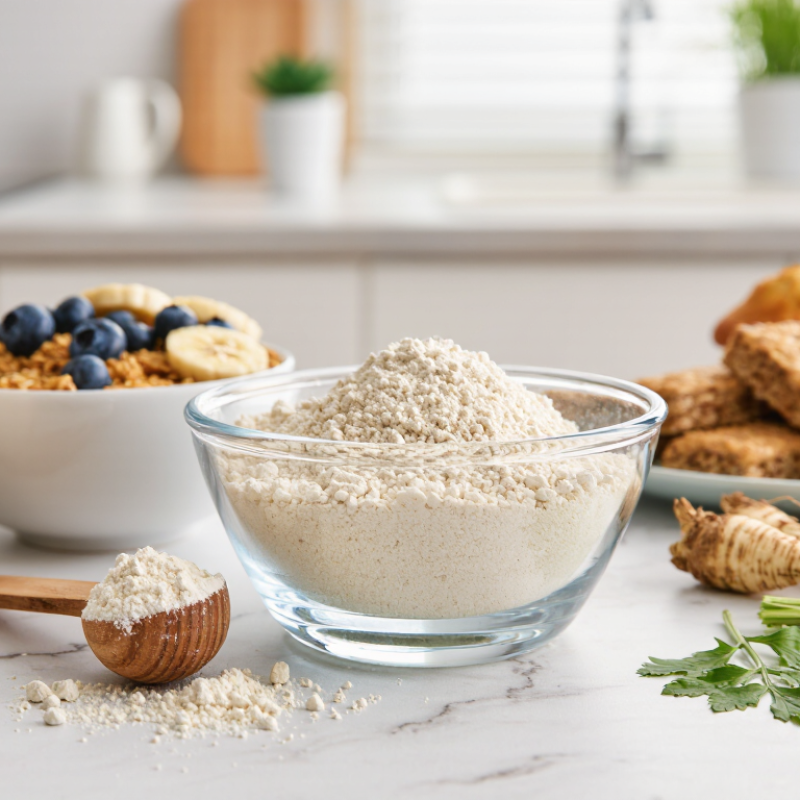
What Inulin Powder Is and Where It Comes From
Inulin powder is a soluble dietary fiber found naturally in several plants. Chicory root is a common commercial source, though inulin also occurs in onions, garlic, asparagus, and unripe bananas. Plants store it as a reserve carbohydrate. It is not made by the human body, so it passes through the digestive system largely undigested.
To make powder, manufacturers usually extract inulin from plant material, then filter and dry it. The exact source and processing can vary, so “inulin” does not tell the whole story. Chicory-root powder is common, but the ingredient may come from other plants. Inulin is added to some foods to increase fiber or change texture, and it is also sold as a standalone powder. Its effects can differ from person to person. Too much may cause gas or bloating, especially for someone not used to extra fiber. The label can sound more straightforward than the experience.
Tips: Check the ingredient source and serving size. If trying inulin, start with a small amount and drink enough water. Notice how your digestion responds. That detail matters.
What Is Inulin Powder Used For? — What It Is and Where It Comes From
Inulin is a soluble dietary fiber found naturally in plants. Chicory root is a common source for inulin powder, which is used to add fiber to foods and drinks. The chart shows approximate inulin amounts in selected fresh foods; actual levels vary by variety and growing conditions.
Common Uses of Inulin Powder in Foods and Drinks
Inulin powder is commonly added to foods and drinks as a soluble fiber. It is often made from chicory root and has a mild sweetness, though it does not taste like sugar. In yogurt, it can add body and a smoother feel. In baked goods, cereal bars, and snack products, it may help improve texture and increase fiber content. It can also be stirred into smoothies or some drinks, but it may not dissolve perfectly in every recipe. A little testing helps.
Food makers sometimes use inulin to replace part of the sugar or fat in a recipe, but it does not behave exactly like either ingredient. It is not magic. Too much can make a product taste different or feel overly thick. Inulin is also a fermentable fiber, so larger amounts may cause gas or bloating for some people. Tolerance varies. When trying a new drink or food, check the ingredient list and start with a modest serving. The amount used in packaged foods differs widely, and the label may not show how much inulin each portion contains. That limitation is worth keeping in mind.
How Inulin Powder Is Used in Supplements
Inulin powder is commonly added to supplements as a prebiotic fiber. It passes through the small intestine largely undigested, then becomes food for certain gut bacteria in the colon. In supplement formulas, it may appear alone or alongside other fibers and nutrients. The powder is often stirred into water, a smoothie, or yogurt. It can also be included in chewable products and capsules, though the amount per serving differs.
People use inulin supplements to increase dietary fiber intake and support regular bowel habits. Some products also use it to add texture or mild sweetness. Follow the serving instructions on the label, and check how much fiber a serving provides. More is not automatically better. Increasing intake gradually may help limit gas, bloating, or abdominal discomfort, especially if your usual diet is low in fiber. Drink enough fluids, too.
Responses vary. That part matters. People sensitive to fermentable carbohydrates, including some with irritable bowel syndrome, may find inulin worsens symptoms. A supplement is not a substitute for a varied diet or medical care. If you have a digestive condition, take regular medication, or are unsure whether inulin suits you, ask a qualified health professional. Even a small scoop can feel like too much for some people.
Potential Side Effects and Use Considerations
Inulin powder is a fermentable fiber, and gut bacteria break it down in the colon. That process can cause gas, bloating, or abdominal cramps, especially when someone starts with a large serving. Loose stools may also occur. For some people, the discomfort is noticeable after only a small amount. Others tolerate it without trouble. Responses vary.
People with irritable bowel syndrome or sensitivity to fermentable carbohydrates may find inulin worsens symptoms. A practical approach is to check the serving size and begin with a small amount mixed into food or a drink. Increase slowly, if tolerated. Drink enough fluids. Less may work better. The right amount is not obvious, and tracking symptoms for several days can help identify a pattern. If symptoms persist, stop using it and ask a healthcare professional for advice. Anyone managing a digestive condition, or unsure whether a fiber supplement is suitable, should seek individual guidance before making it a routine. Inulin is not a guaranteed fix for constipation or general gut discomfort.