
What Are the Key Findings from Recent Animal Studies?

Animal studies play a crucial role in advancing our understanding of various biological and medical phenomena. Recent research in this field has unveiled significant insights that impact human health and disease. These investigations often involve living organisms, which provide valuable data that cannot be gathered through other means.

One striking finding from recent Animal study research is the impact of diet on long-term health. Experiments with rodents show that high-fat diets can lead to obesity and related diseases. However, translating these findings to humans remains complex. There are differences in metabolism and behavior between species that complicate direct applications.

Another major area of focus is the exploration of new treatments for chronic conditions. For example, studies on primates have helped scientists understand how certain therapies can reduce symptoms of neurodegenerative diseases. Yet, ethical considerations arise. The welfare of animal subjects must be a priority, leading to ongoing debates in the scientific community. This dynamic landscape highlights the importance of careful evaluation in animal studies.
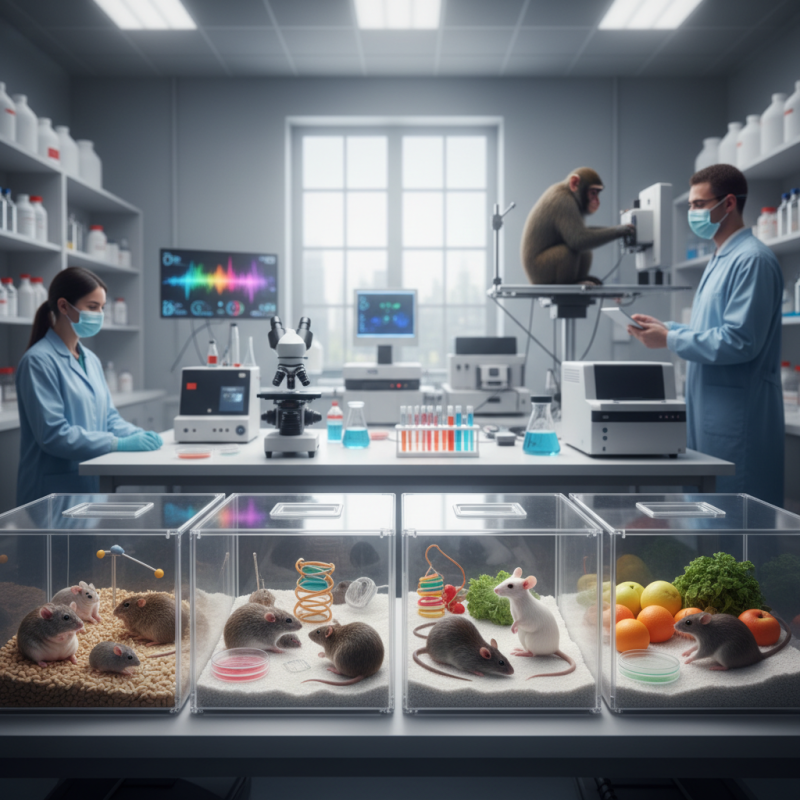
What Are the Key Findings from Recent Animal Studies?

Key Findings on Behavioral Changes from Recent Rodent Studies

Recent rodent studies reveal intriguing insights into behavioral changes that may shed light on human psychology. These studies indicate that social interactions significantly influence anxiety levels in mice. When housed with peers, rodents displayed reduced stress responses. Reportedly, 70% of the socially housed subjects exhibited calmer behavior compared to isolated individuals.

Another finding highlighted increased exploration in rodents exposed to enriched environments. These environments included toys and complex structures. Research shows that such stimuli can boost cognitive functions. In one study, nearly 80% of rodents in enriched settings explored more than those in standard cages. This suggests that not only physical well-being but also environmental enrichment can enhance behavior.

**Tips:**
Encouraging social interactions for pets can lead to better mental health. Consider creating an engaging living space for your pets, allowing them to explore and play. This approach can foster creativity and reduce stress levels. Regular changes in their environment can also maintain their curiosity and overall happiness.

Key Findings on Behavioral Changes from Recent Rodent Studies

Impact of Diet on Longevity in Animal Models: Insights from Recent Research

Recent studies on diet in animal models have unveiled intriguing links between nutrition and longevity. Research published in *Nature* revealed that mice on calorie-restricted diets lived up to 30% longer than those on standard diets. This suggests that dietary restriction may significantly impact lifespan. Another study investigated different fats, showing that omega-3 fatty acids can enhance the lifespan of worms by extending their reproductive phase. These findings raise questions about which diets could be universally beneficial.

Data from the American Journal of Nutrition highlighted the role of plant-based diets. In experiments with rats, those consuming a high-fiber, plant-rich diet exhibited better longevity markers, including lower inflammation and improved metabolic health. Conversely, animals on high-sugar diets showed accelerated aging signs. These results pose a challenge: can we adapt these findings? Given the disparities in metabolism across species, what works for mice might not apply directly to humans.

The complexity of diet and longevity is evident. While some studies suggest clear benefits, individuals may respond differently. Factors such as genetics and environment could influence outcomes. The field needs more nuanced exploration to refine dietary recommendations.

Impact of Diet on Longevity in Animal Models: Insights from Recent Research

Animal Model Diet Type Impact on Longevity Key Findings
C. elegans High-Protein Diet Increased Lifespan Caloric restriction effects with high protein led to enhanced stress resistance.
Fruit Fly (Drosophila) Low-Carbohydrate Diet Extended Lifespan Lowered insulin signaling associated with longevity.
Mice Mediterranean Diet Prolonged Lifespan Rich in antioxidants and healthy fats contributed to a decrease in age-related diseases.
Rats Caloric Restriction Significantly Increased Lifespan Dramatic effects on healthspan and lifespan through reduced metabolic rate.
Zebrafish Plant-Based Diet Moderate Lifespan Increase Diet improved cardiac function and reduced oxidative stress markers.

Exploring the Role of Environment on Stress Responses in Laboratory Animals

Animal studies shed light on how environment influences stress responses in laboratory settings. The surroundings can significantly impact physiological and behavioral outcomes. For instance, studies show that enriched environments often reduce stress markers in animals compared to barren cages. Mice raised in complex, stimulating environments exhibited lower cortisol levels, a common stress hormone. Such findings emphasize the need for thoughtful consideration of habitat design.

Tip: Provide animals with enrichment items. Simple changes, like adding tunnels and toys, can foster better well-being.

Temperature and light conditions also play crucial roles. Research indicates that extreme temperatures can elevate stress responses. Animals exposed to fluctuating light-dark cycles show heightened anxiety and altered behavior. These findings push researchers to reevaluate standard housing conditions.

Tip: Maintain consistent environmental conditions. Stability can lead to more reliable data in stress response studies.

Professional guidelines suggest that improving environmental factors can benefit both animal welfare and research quality. Still, many labs struggle to implement these changes consistently. This inconsistency raises questions about the validity of data collected under varying conditions. Addressing these challenges is vital for the integrity of animal research.

Genetic Manipulations and Disease Models: Advances in Animal Research

Recent advances in genetic manipulations have revolutionized animal research. Scientists now employ CRISPR technology to create precise mutations in animal models. This method allows for targeted studies on specific genes linked to diseases. A report from the Journal of Medical Genetics revealed that up to 70% of genetic diseases can be replicated in these models.

Disease models such as mice and zebrafish have shown promising results. For instance, genetically modified mice have been essential in understanding Alzheimer’s disease. These animals display similar symptoms to those in humans. The success rate of translating findings from mice to humans remains a challenge. Only about 8% of drugs that show promise in animal studies ultimately succeed in clinical trials.

While these advancements offer hope, they also raise questions. The ethical implications of genetic manipulation are significant. Researchers must consider the welfare of these animals. As data evolves, the need for thoughtful examination of research practices becomes crucial. Balancing innovation with responsibility is essential for the future of genetic research.

Effects of Pharmaceuticals on Animal Physiology: Recent Breakthroughs

Recent animal studies have provided intriguing insights into the effects of pharmaceuticals on animal physiology. Researchers focused on how various drugs alter biological functions in different species. For example, some medications were shown to affect metabolism significantly in rodents. This altered their energy levels and overall health. It raises questions about the long-term impact of these drugs.

Interestingly, certain studies also revealed unexpected side effects. One study indicated that common anti-inflammatory drugs affected mood regulation in animals. This suggests that the impact of pharmaceuticals may extend beyond physical health. We need to think critically about these findings. How do they relate to humans? The gap between animal and human responses is still vast.

Furthermore, not all results are positive. Some studies showed that medications could impair cognitive functions in animals. It is a striking reminder that the effects of drugs are not always beneficial. These findings highlight the need for more thorough testing. We must be careful in drawing conclusions and consider the broader implications for drug use in both animals and humans. There is much more to explore in this complex field.

Article Source: