
What is Light Surgical Technology in 2026?

In 2026, Light Surgical technology stands at a critical juncture. This innovative field has emerged from the confluence of advanced imaging and minimally invasive techniques. According to a report from Market Research Future, the global surgical lights market is projected to grow by 5.3% annually, reaching $1.9 billion by 2027. Such growth indicates a burgeoning demand for precise, efficient surgical solutions that promise less trauma for patients.

Light Surgical technology focuses on optimizing surgical environments. It harnesses high-definition, adjustable lighting for enhanced visibility and precision. Surgeons can benefit from increased accuracy, which directly impacts patient outcomes. However, industry professionals must remain aware of the challenges. Some systems have proven cumbersome and expensive, often leading to frustrations during critical procedures. Additionally, the adaptation of surgical teams to new technologies remains a barrier.

Nonetheless, the potential for Light Surgical technology is immense. As hospitals invest in modern infrastructure, there will be opportunities for streamlined workflows. Yet, as the industry progresses, it must critically assess user feedback. This will ensure that Light Surgical solutions not only meet safety standards but also genuinely enhance the surgical experience.

What is Light Surgical Technology in 2026?

What is Light Surgical Technology?

Light Surgical Technology is an emerging field that emphasizes using light sources in various surgical procedures. This technology employs lasers and specialized light devices to enhance precision and reduce recovery times. Surgeons can target tissues more effectively, minimizing damage to surrounding areas. This advancement transforms traditional methods, offering greater control during operations.

In 2026, we may see even more refined tools. Innovations could allow for real-time imaging and feedback. However, not all practices have embraced these technologies. Some surgeons feel a disconnect with these high-tech methods. They may question the training involved and the effectiveness in comparison to tried-and-true techniques. Balancing tradition and innovation remains a challenge in surgical settings.

As these technologies evolve, the conversation around accessibility is crucial. Advanced tools might not be available in every facility. This disparity can lead to varying patient outcomes. It's essential to reflect on how to make these innovations accessible to a wider range of healthcare providers. While light surgical technology holds great promise, ensuring its equitable distribution is key to its success.
Light Surgical Technology Adoption Rates in 2026

This bar chart illustrates the adoption rates of Light Surgical Technology across various surgical specialties in 2026. The data reflects the percentage of surgeons using this advanced technology in their procedures.

Historical Development of Surgical Technology Leading to 2026

What is Light Surgical Technology in 2026?

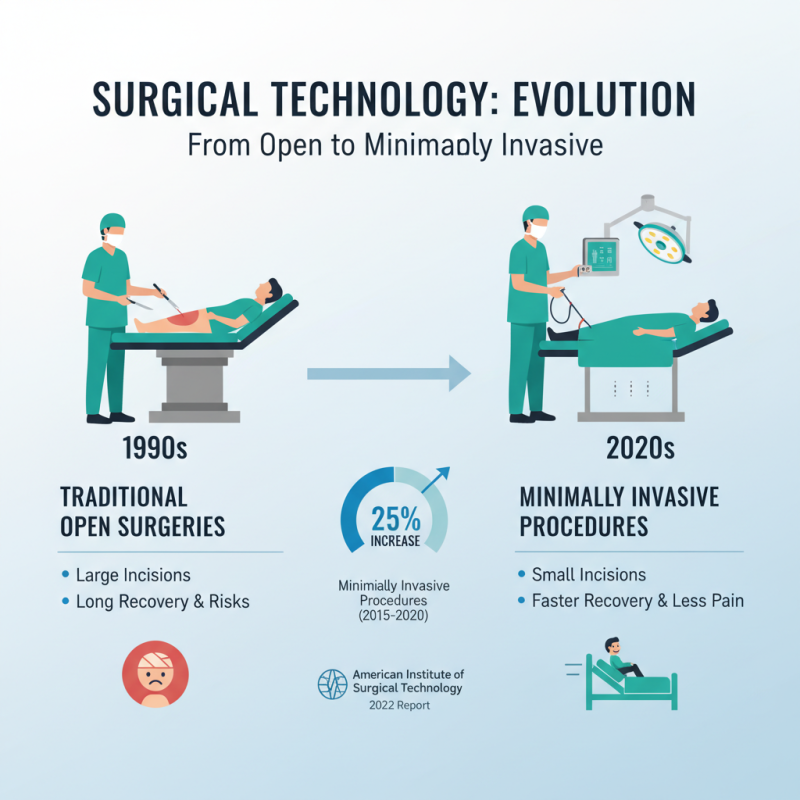
The evolution of surgical technology has been profound over the past few decades. In the 1990s, traditional surgeries faced limitations. Open surgeries were common, resulting in long recovery times and increased risks. However, advancements like laparoscopic techniques emerged, minimizing invasiveness. According to a 2022 report by the American Institute of Surgical Technology, minimally invasive procedures increased by 25% from 2015 to 2020. This shift means patients spent fewer days in the hospital and experienced less pain.

By 2026, the trend toward light surgical technology is evident. Robotic-assisted surgeries are becoming more common. These technologies offer precision and control. A study from Surgical Innovations Journal identified a 30% decrease in complication rates with robotic methods. Yet, accessibility remains a challenge. Not all surgical centers can afford these technologies. The disparity raises concerns about equitable healthcare access.

Despite advancements, drawbacks exist. Surgeons must undergo extensive training. Complications can still arise, even with high-tech tools. The industry grapples with balancing innovational benefits against training and resource limitations. As we approach 2026, the focus will need to remain on integrating technology while ensuring safety and accessibility for all patients.

Key Features and Advantages of Light Surgical Technology

What is Light Surgical Technology in 2026?

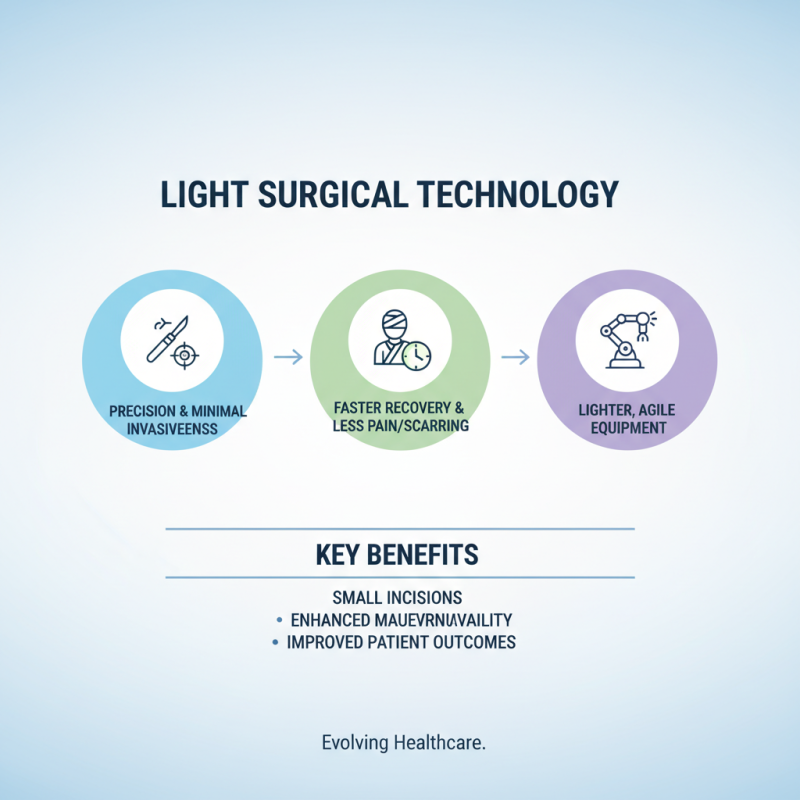
Light surgical technology continues to evolve, and its key features are remarkable. This technology offers precision with minimal invasiveness. Surgeons can perform complex procedures through small incisions. This reduces recovery time significantly. Patients experience less pain and scarring. The equipment used is often lighter and more agile, leading to better maneuverability in the operating room.

Another advantage is the enhanced visualization during surgeries. Advanced imaging systems allow for real-time feedback. This makes it easier for surgeons to navigate delicate areas. However, reliance on technology can be a double-edged sword. Overdependence may lead to skills atrophy in some cases. Moreover, there can be a steep learning curve. Training can be lengthy and costly. Despite these challenges, the benefits of light surgical technology are hard to overlook. It brings a new era of surgical possibilities while urging constant reflection on its impact.

Applications of Light Surgical Technology in Modern Medicine

Light Surgical Technology is transforming modern medicine in significant ways. This emerging field focuses on five key applications. One major use is in minimally invasive procedures. Surgeons can perform operations with small incisions, reducing recovery time. Patients experience less pain and fewer complications. This method is becoming increasingly popular worldwide.

Another application involves diagnostics. Light technology enables precise imaging of tissues. This leads to better disease detection. For instance, endoscopic light systems allow doctors to visualize internal organs clearly. They can spot abnormalities early, improving treatment outcomes. However, not all procedures are performed perfectly. Sometimes, lighting conditions can be suboptimal, leading to missed diagnoses.

Light Surgical Technology also enhances surgical training. Simulated environments use advanced lighting to create real-world scenarios. Trainees practice techniques while minimizing risks to patients. Nonetheless, there are limitations. Some students might rely too heavily on simulations. Real-life challenges are different, requiring adaptability. Embracing these technologies is vital, but medical professionals must continuously reflect on their practical implications.

What is Light Surgical Technology in 2026? - Applications of Light Surgical Technology in Modern Medicine

Application Area Description Benefits Future Prospects
Minimally Invasive Surgery Utilizes light technologies to perform surgeries with less damage to surrounding tissues. Reduced recovery time, less pain, and minimal scarring. Increased adoption in surgical practices across various specialties.
Laser Therapy Application of focused light beams for treatment of tumors and other growths. Precision targeting of pathological tissue, reducing damage to healthy cells. Expanding into fields like oncology and ophthalmology.
Photodynamic Therapy Combines light-sensitive drugs with light exposure to destroy cancer cells. Targets specific cells while preserving surrounding tissue. Emerging treatments for various cancers and dermatological conditions.
Endoscopy Use of light to illuminate internal organs for diagnostic and therapeutic purposes. Non-invasive, faster diagnostics. Continuous advancements in imaging and technique.
Orthopedic Surgery Application of light technology for accurate bone cutting and alignment in surgeries. Enhanced precision leads to better patient outcomes. Integration with 3D imaging for complex procedures.

Future Trends and Innovations in Light Surgical Technology

Light surgical technology is evolving rapidly. By 2026, we expect to see some exciting trends. One significant direction is the integration of artificial intelligence into surgical procedures. AI can assist surgeons in making real-time decisions. It might also enhance precision during intricate operations. However, ethical questions arise about relying on machines in critical moments.

Another crucial trend is the development of advanced imaging systems. These systems can provide 3D visualizations of tissues. Surgeons gain better insights without invasive techniques. It’s promising, but there are concerns about the cost and training involved. Some medical professionals may struggle to adapt to these new technologies.

Telemedicine will also play a key role. Remote surgeries could become commonplace. Surgeons might operate from thousands of miles away. This can increase access to care, especially in underserved areas. Still, connectivity issues and technical malfunctions could pose risks. The balance between innovation and safety must be continually evaluated.