
Choosing reliable Ent Medical Equipment suppliers requires more than comparing catalog prices. Global buyers need dependable products, clear documentation, and support that continues after delivery. This guide introduces ten established suppliers serving hospitals, clinics, distributors, and specialist practices across different markets.
The selection considers product range, manufacturing experience, quality systems, and international service capacity. Typical equipment includes rigid and flexible endoscopes, ENT treatment units, microscopes, audiometers, suction systems, and examination chairs. A practical review also checks sterilization guidance, warranty terms, spare-part availability, user training, and response times. These details matter when a camera fails before a scheduled procedure or when a clinic needs a replacement handpiece quickly.
Supplier reputation can be difficult to measure consistently. Online reviews may be incomplete, and product quality can vary between models. No supplier is perfect. Buyers should verify certifications, local registration requirements, electrical specifications, and after-sales commitments before signing a contract. Independent clinical feedback and demonstrations can reveal issues that brochures overlook. Packaging quality matters, too, especially when delicate optics travel through several customs points.
This overview is designed to support careful purchasing decisions, not replace professional or regulatory advice. Each featured company is considered through an international buyer’s perspective, with attention to reliability, transparency, innovation, and practical clinical use. The final choice should match the facility’s patient volume, technical skills, budget, and service expectations. Good equipment supports clinicians. Good suppliers support the entire workflow.
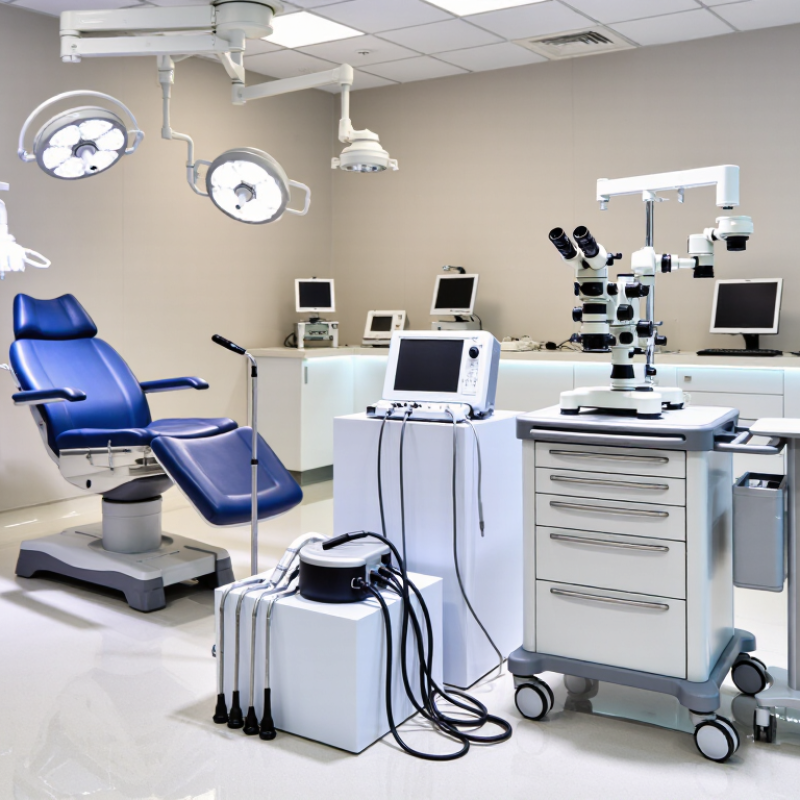
Top 10 ENT Medical Equipment Suppliers for Global Buyers
ENT medical equipment suppliers provide more than devices. They support diagnosis, treatment, installation, training, and after-sales service. Their catalogs may include endoscopes, examination chairs, audiometers, suction units, surgical instruments, and imaging accessories. Reliable suppliers explain technical specifications in plain language. They also provide calibration records, user manuals, warranty terms, and replacement-part information.
These services matter because ENT procedures require accuracy and safe handling. A clear image can change a clinical decision. Stable equipment can reduce delays in a busy examination room. Experienced suppliers ask about patient volume, room size, electrical standards, and local service capacity. They should also discuss cleaning methods and staff training. However, no supplier gets every detail right. Product comparisons can still feel incomplete, especially when prices hide maintenance costs. Buyers should question unclear claims and request evidence before ordering.
Tips: Check certification documents, delivery conditions, and installation support. Request a live demonstration when possible. Ask who repairs the equipment after the warranty ends. Compare total ownership costs, not only purchase prices. Test controls with gloves on. Small design problems become frustrating during long procedures. Keep a written record of communication, specifications, and promised service times.

When comparing ten ENT suppliers, global buyers should look beyond catalog prices. A low quote may exclude installation, calibration, sterile accessories, or customs paperwork. Review the supplier’s documented quality system, production controls, and traceability records. ISO 13485 certification is useful, but verify its scope and current validity. Ask for device specifications, risk-management summaries, test reports, and applicable market registrations. Check whether each document matches the exact model offered. Small differences matter.
Request a live demonstration of the endoscope image, otoscope illumination, audiometer accuracy, or suction performance. Observe the controls, cables, cleaning steps, and noise level in a realistic clinic setting. Ask how failures are logged and resolved.
Reliable suppliers provide serial-number tracking, spare-part lists, service intervals, and written response times. Can they train local technicians? Can they support your language and time zone? These questions reveal operational maturity better than polished brochures.
Evaluate total ownership cost over five years, including shipping, calibration, software updates, consumables, and repairs. Confirm that packaging protects delicate optics during humid or cold transport. Check warranty exclusions carefully. They matter. References from hospitals using similar workloads can expose recurring faults. Still, references are not proof. An independent inspection before shipment may be worth the extra cost. No evaluation is perfect; even a careful team can overlook user training or local maintenance capacity. Record that weakness before signing.
Global ENT buyers need more than attractive catalogues. They need reliable equipment, documented quality, and responsive technical support. The World Health Organization reports that over 1.5 billion people live with hearing loss worldwide. This number may reach 2.5 billion by 2050. Demand for audiometers, endoscopes, surgical systems, and hearing-care tools will continue rising.
A practical top-10 supplier list should assess regulatory clearance, manufacturing consistency, calibration records, and after-sales service. It should also examine delivery coverage and local training. Fortune Business Insights estimates that the global ENT devices market will grow steadily through 2032. Growth alone does not prove supplier quality.
Buyers should request clinical references, warranty terms, spare-part availability, and cybersecurity details for connected devices.
Small details matter.
A hospital may need an endoscope with clear imaging in a narrow examination room. A rural clinic may value battery life, simple maintenance, and quick replacement parts more. One supplier rarely performs best in every region. That is an uncomfortable limitation.
Pricing data can also hide installation, calibration, and staff-training costs. Buyers should compare the total ownership cost, not only the purchase quotation. Independent testing, transparent documentation, and realistic delivery promises offer stronger evidence than marketing language.
For global buyers, a useful top-ten ENT supplier list should compare more than catalog size. The World Health Organization reports that over 1.5 billion people live with hearing loss, and this number may reach 2.5 billion by 2050. Suppliers therefore need broad portfolios, including endoscopes, examination chairs, audiology systems, surgical instruments, and sterilization accessories. The strongest providers also offer compatible consumables, spare parts, and training. Range matters when hospitals want one purchasing channel.
Quality requires evidence, not polished brochures. Buyers should check ISO 13485 certification, clinical documentation, service records, and compliance with relevant electrical safety standards. The WHO estimates that nearly 700 million people may need hearing rehabilitation by 2050, increasing pressure on durable diagnostic equipment. In practice, image clarity, ergonomic controls, and easy cleaning often matter more than impressive specifications. Small details matter.
Pricing comparisons should include ownership costs. A low purchase price can hide expensive probes, software updates, shipping, or calibration. Global market reports from Grand View Research and Fortune Business Insights estimate steady ENT device growth, although their market values differ because product categories vary. That disagreement deserves attention. It shows that supplier comparisons are not perfectly objective. Strong global support includes regional technicians, documented response times, multilingual manuals, local inventory, and transparent warranty terms. For remote clinics, reliable parts availability may outweigh a modest discount.
Anonymized comparative benchmark for international procurement teams
| Rank | Supplier Profile | Core ENT Product Range | Quality Indicators | Indicative Price Level | Typical Lead Time | MOQ Flexibility | Global Support Coverage | Overall Score |
|---|---|---|---|---|---|---|---|---|
| 01 | Supplier Profile A | Diagnostic endoscopes, video processors, ENT treatment units, surgical instruments, microscopes, patient chairs | ISO 13485-ready systems; documented batch traceability; electrical safety testing | Premium | 6–12 weeks | Low to medium | Regional distributors, remote training, multilingual documentation, spare-parts programs | 9.2/10 |
| 02 | Supplier Profile B | Flexible and rigid endoscopes, light sources, camera systems, suction units, surgical accessories | Risk-management files; incoming inspection; calibration records for imaging equipment | Mid–premium | 5–10 weeks | Medium | Distributor onboarding, online technical support, export documentation, warranty service | 8.9/10 |
| 03 | Supplier Profile C | Audiometers, tympanometers, hearing-screening systems, ENT diagnostic stations, software packages | Audited manufacturing processes; software validation; device calibration support | Mid–premium | 4–9 weeks | Medium | Application training, regional service partners, firmware support, replacement accessories | 8.7/10 |
| 04 | Supplier Profile D | ENT operating microscopes, examination chairs, illumination systems, treatment-room accessories | Mechanical endurance testing; ergonomic design validation; controlled final inspection | Mid-range | 6–14 weeks | Medium to high | Installation guidance, spare-part catalogues, service manuals, territory-based support | 8.4/10 |
| 05 | Supplier Profile E | Portable endoscopes, handheld examination tools, LED headlamps, suction pumps, basic diagnostic kits | Routine functional testing; basic traceability; standardized user instructions | Value | 3–8 weeks | High | Email support, standard warranty, export packing, limited local service availability | 8.1/10 |
| 06 | Supplier Profile F | ENT lasers, electrosurgical units, smoke evacuation systems, disposable and reusable surgical instruments | Safety testing for energy-based devices; preventive-maintenance schedules; operator training materials | Mid–premium | 7–15 weeks | Low to medium | Commissioning support, technical training, service contracts, consumables planning | 7.9/10 |
| 07 | Supplier Profile G | Impedance audiometers, screening devices, otoscopes, diagnostic software, classroom and clinic systems | Calibration documentation; software update controls; user acceptance testing | Value–mid | 4–10 weeks | Medium to high | Online training, distributor support, digital manuals, standard replacement policy | 7.7/10 |
| 08 | Supplier Profile H | ENT examination units, treatment chairs, instrument tables, medical lighting, clinic furniture | Material inspection; load testing; assembly quality checks; basic quality-management controls | Value | 5–12 weeks | High | Remote installation support, replacement-part supply, packaging customization | 7.5/10 |
| 09 | Supplier Profile I | Nasal endoscopes, laryngoscopes, examination cameras, light sources, basic image-recording systems | Incoming component checks; image-quality testing; documented pre-shipment inspection | Value | 3–9 weeks | High | Basic technical support, digital documentation, standard warranty and export service | 7.3/10 |
| 10 | Supplier Profile J | Suction equipment, sterilization accessories, surgical hand instruments, examination lights, replacement parts | Functional inspection; material certificates for selected components; basic complaint handling | Budget | 3–7 weeks | Very high | Email-based support, standard export documents, limited field-service coverage | 7.0/10 |
Evaluation framework: Product range (25%), quality and compliance controls (25%), pricing competitiveness (15%), lead time and MOQ flexibility (15%), and global support capability (20%).
Data note: Supplier identities are intentionally anonymized. Price levels and delivery times are representative industry benchmark ranges and should be verified through current quotations, regulatory documentation, product testing, and reference checks before purchase.
Choosing an ENT equipment supplier requires more than comparing catalog prices. Start with your clinical workflow. A busy otology clinic may need rigid endoscopes, suction units, examination chairs, and imaging systems that work together. Ask for technical specifications, service records, and documented regulatory compliance for your market. A reliable supplier should explain intended use, limitations, cleaning requirements, and replacement parts in plain language. Vague answers deserve caution.
Examine the supplier’s practical experience. Request references from hospitals or clinics with similar patient volume and specialties. Ask how quickly engineers respond when an endoscope loses image quality or a light source fails. Check whether technicians provide installation, calibration, user training, and preventive maintenance. Training matters. A well-designed device can still create risks when staff guess at settings. Review warranty terms carefully, including travel costs, loan equipment, software updates, and repair timelines. Some suppliers promise fast support, but the contract may say otherwise.
Before ordering, arrange a demonstration using realistic examination tasks. Test image clarity, handpiece balance, noise, foot-pedal response, and cleaning access. Confirm compatibility with existing monitors, connectors, sterilization processes, and electronic records. Ask for serial-number tracking and a clear complaint process. Total cost includes consumables, downtime, calibration, and staff training, not only purchase price. I would also score communication quality after receiving the quotation. Did the supplier answer every question? Did they admit a limitation? That small test is imperfect, yet revealing. Procurement teams should document evidence and involve clinicians, biomedical engineers, and infection-control staff before signing.
© 2025 EXCELSIUS MEDICAL All rights reserved
Taiwan Office
2F., No. 18, Ln.31, Sec.1, Huandong Rd.,
Xinshi Dist., Tainan City 744, Taiwan, R.O.C.
German Office
Zeppelinstr. 4, Haus 3&4,
D-85399 Hallbergmoos, Germany
