
Herbal Pharmaceuticals have gained significant traction in the global healthcare market. According to the World Health Organization, about 80% of people in developing countries rely on herbal medicines for primary health care. This trend highlights the growing acceptance of these natural remedies worldwide. In China, herbal pharmaceuticals are deeply rooted in traditional practices. The country's herbal market is projected to exceed $80 billion by 2025, showcasing its immense potential.
The diversity of herbs available in China presents unique opportunities for sourcing. Popular options include ginseng, goji berries, and astragalus. These herbs are renowned for their therapeutic benefits and are increasingly used in modern formulations. However, sourcing herbal pharmaceuticals from China requires careful consideration. Quality control and authenticity are critical issues to address.
As the market evolves, it is essential to focus on sustainable practices. Engaging with reputable suppliers is vital. Transparency in sourcing strengthens trust and ensures product efficacy. This approach can pose challenges, as not all suppliers meet stringent standards. It is crucial to diligently evaluate potential partners in this dynamic sector. Understanding the complexities of sourcing herbal pharmaceuticals will ultimately benefit stakeholders and consumers alike.
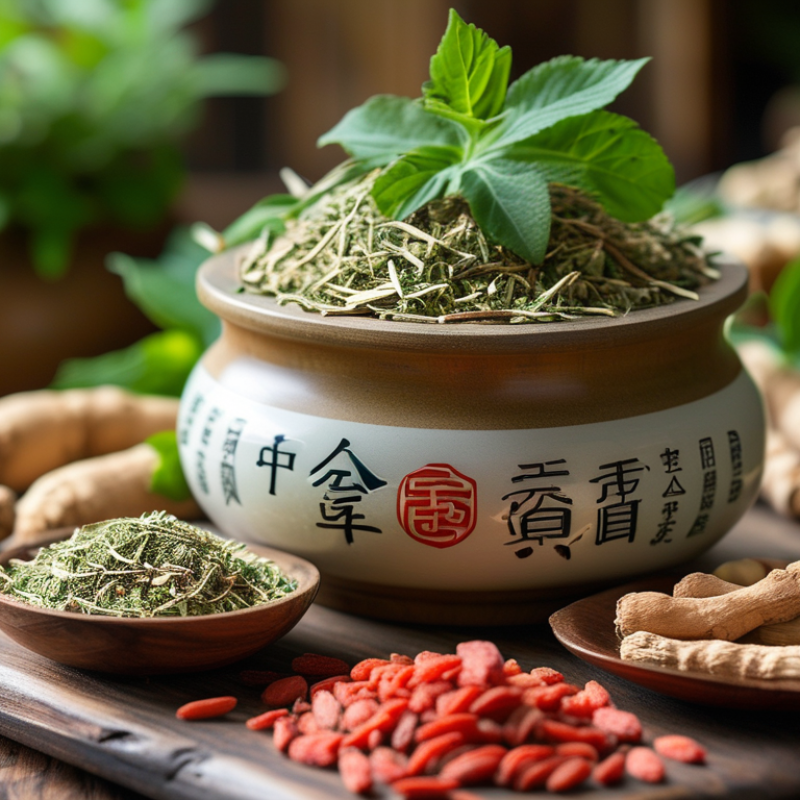
China has a rich history of herbal medicine. Many herbal pharmaceuticals have been used for centuries. These herbal products often provide natural alternatives to modern medicine. Sourcing these herbs is becoming increasingly popular worldwide.
Popular herbs like ginseng and goji berries are well-known. They are praised for their health benefits. Ginseng is often used for energy and stress relief. Goji berries are celebrated for their antioxidant properties. Additionally, manufacturers are sourcing lesser-known herbs. Schisandra and astragalus offer unique compounds that may support immune function.
Quality control is essential when sourcing from China. It’s crucial to partner with reputable suppliers. Many herbal products may vary in quality. Testing for purity and potency is vital. Companies should prioritize certifications and lab reports. Trust in sourcing is built through transparency and reliability. Gathering knowledge about origins and uses also enhances sourcing practices. This helps ensure responsible procurement and maximizes health benefits for consumers.
| Herbal Product | Primary Use | Active Ingredients | Market Demand | Sourcing Regions |
|---|---|---|---|---|
| Ginseng | Energy Booster, Immune Support | Ginsenosides, Polysaccharides | High | Heilongjiang, Jilin |
| Goji Berries | Antioxidant, Vision Support | Carotenoids, Vitamin C | Moderate | Ningxia, Xinjiang |
| Turmeric | Anti-Inflammatory, Joint Health | Curcumin | High | Yunnan, Sichuan |
| Moringa | Nutrient-Rich Supplement | Vitamins A, C, and E | Increasing | Guangxi, Yunnan |
| Green Tea | Weight Loss, Heart Health | Catechins, Caffeine | High | Zhejiang, Fujian |

Sourcing herbal pharmaceuticals from China offers numerous benefits. First, Chinese herbs have a long history of use in traditional medicine. Many practitioners trust their effectiveness. These herbs often undergo rigorous quality testing. Sourcing ensures you receive products that meet high standards.
Another advantage is the vast variety of herbal options available. China boasts a rich biodiversity. You can find unique herbs not easily sourced elsewhere. This variety allows businesses to cater to different consumer needs. However, quality can vary widely among suppliers. Careful evaluation is essential to ensure reliability.
Cost-effectiveness is another critical factor. Purchasing herbal pharmaceuticals from China can be less expensive than sourcing locally. Bulk purchasing options can also lead to significant savings. Yet, it's vital to consider shipping times and potential delays. This can impact your supply chain. Finding the right balance between cost and quality is crucial for sustained business growth.
Herbal pharmaceuticals sourced from China offer a vast array of benefits. Categories often include traditional remedies like ginseng, reishi, and goji berries. These herbs have been used for centuries in Traditional Chinese Medicine (TCM). Ginseng, for instance, is known for its energy-boosting properties and ability to enhance cognitive function.
According to a report by the Herbal Medicine Association, the global herbal medicine market is expected to grow by 7.5% annually. This data underlines the increasing interest in plant-based remedies. The demand for herbal products is driven by a shift towards natural treatments. Consumers are seeking alternatives to synthetic medications.
There are challenges in sourcing these products. Quality control remains a concern. Ensuring consistency in active ingredients is vital. Some suppliers may offer variants that do not meet established standards. It is essential for buyers to verify certifications and quality guarantees. Engaging with skilled partners in China can help mitigate risks. These partnerships foster trust and reliability in sourcing herbal pharmaceuticals.
Quality control and regulations for herbal products in China present both challenges and opportunities. The State Administration for Market Regulation in China has implemented strict guidelines to ensure that herbal pharmaceuticals meet specific safety and quality standards. According to a report by the World Health Organization, over 70% of herbal products sold in China are not compliant with good manufacturing practices. This statistic raises questions about the reliability of many herbal products available today.
Manufacturers are required to conduct thorough testing on their products. This includes checking for contaminants, heavy metals, and adulterants. However, many small-scale producers may lack resources to meet these stringent requirements. A staggering 30% of traditional Chinese medicine retailers do not adhere to proper labeling practices, leading to confusion for consumers. The gap in compliance not only affects trust but also the potential market for quality herbal pharmaceuticals.
In recent years, international interest in Chinese herbal products has increased. Yet, inadequate regulation hinders safe sourcing for global markets. The China Food and Drug Administration is working to improve oversight, but concerns linger. Stakeholders must reflect on the importance of transparency in supply chains. Greater awareness can lead to enhanced trust and ultimately better standards for herbal pharmaceuticals sourced from China.
Sourcing herbal pharmaceuticals from China can be financially advantageous. The global market for herbal medicine is projected to reach $151 billion by 2022, reflecting a significant growth rate. China contributes a substantial share to this market. Understanding how to navigate this extensive industry is vital for success.
Firstly, it’s crucial to establish reliable communication with suppliers. Language barriers can lead to misunderstandings. A clear dialogue can ensure that product specifications are met. It’s wise to request certifications and third-party testing results. This practice builds trust and guarantees product quality. Research shows that 30% of herbal products fail to meet quality standards. Therefore, thorough vetting of suppliers ensures safety and reliability.
Another key factor is cultural awareness. Familiarizing oneself with Chinese business customs can impact negotiations. Building a rapport can influence pricing and terms. However, it’s essential to stay cautious. Some suppliers may oversell their capabilities. Always verify claims through independent audits. Transparency is key in maintaining an ethical sourcing process. This proactive approach can mitigate risks often faced in international sourcing, fostering a sustainable relationship with suppliers.
© 2025 EXCELSIUS MEDICAL All rights reserved
Taiwan Office
2F., No. 18, Ln.31, Sec.1, Huandong Rd.,
Xinshi Dist., Tainan City 744, Taiwan, R.O.C.
German Office
Zeppelinstr. 4, Haus 3&4,
D-85399 Hallbergmoos, Germany
