
Top 10 Nutraceutical Ingredient Manufacturers in China

China has become an important sourcing destination for Nutraceutical Ingredients, including vitamins, minerals, botanical extracts, amino acids, and fermentation-derived compounds. Buyers may encounter manufacturers serving very different needs. Some focus on standardized extracts; others offer broad ingredient portfolios or custom processing. That variety makes supplier comparison useful—and not always straightforward.

Grand View Research’s Nutraceuticals Market Size, Share & Trends Analysis Report estimated the global nutraceuticals market at USD 454.55 billion in 2021. It forecast a compound annual growth rate of 9.0% from 2022 to 2030. This figure describes the wider nutraceuticals market, not China’s ingredient-manufacturing sector alone. Definitions and methods vary across market reports. Treat forecasts as context, not proof of a supplier’s performance.

This overview introduces ten Chinese manufacturers for further evaluation, rather than claiming an official ranking. It considers practical questions: Can a supplier document ingredient identity and batch consistency? Are specifications, testing methods, and traceability records available for review? Does its production capacity fit the buyer’s needs? Small details matter. A clear specification sheet can be more useful than a polished catalogue. Company capabilities and documentation can change, so readers should verify current information directly. No shortlist can replace a quality audit or technical assessment. That limitation deserves attention.
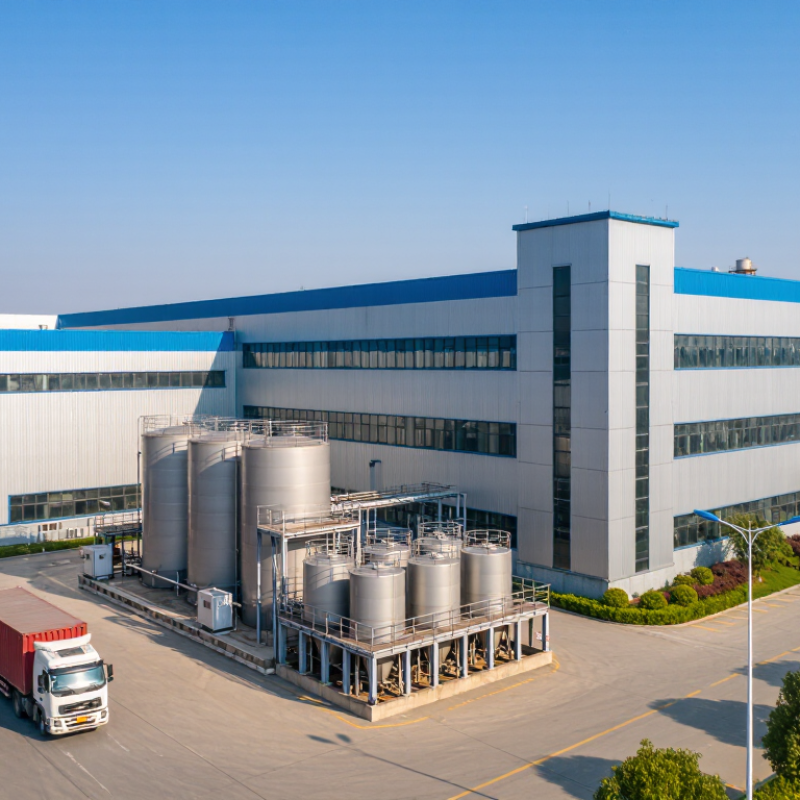
Top 10 Nutraceutical Ingredient Manufacturers in China

China’s Nutraceutical Ingredient Manufacturing Landscape

China’s nutraceutical ingredient manufacturing landscape spans botanical extracts, vitamins, amino acids, and functional food components. Producers range from specialized extraction facilities to larger plants with multiple processing lines. This variety can support different product needs, but capacity alone says little about consistency.

That distinction matters. A dried herb may arrive with uneven moisture, while fine powders can absorb humidity during storage. Reliable manufacturing depends on controls at each step: incoming-material checks, validated processing parameters, and batch records that can be reviewed. Testing methods should match the ingredient and its intended use, rather than rely on impressive-sounding certificates alone.

A careful assessment looks beyond brochures. Buyers can ask how identity, purity, and contaminants are tested, how specifications are maintained between batches, and whether production changes are documented. Site audits and independent laboratory reports may add useful evidence, though neither removes every uncertainty. The picture is not perfectly tidy; public information can be uneven, and terminology may vary between suppliers. That calls for specific questions, not assumptions. Even a polished sample needs scrutiny. A representative batch and clear technical documentation offer a more grounded view of a manufacturer’s capabilities.

Criteria for Identifying Leading Manufacturers

Criteria for Identifying Leading Manufacturers

A strong nutraceutical ingredient manufacturer should show more than a polished facility tour. Grand View Research’s 2025 Dietary Supplements Market report estimates the global market reached US$192.65 billion in 2024. That growth makes documented quality and dependable supply especially important. Check whether the manufacturer can trace each lot from incoming raw material to finished ingredient. Ask for recent certificates of analysis, test methods, and records for contaminants, potency, and stability. Paperwork matters. So does a clear explanation of any failed test.

WHO’s food-safety estimates, published in 2015, attributed 600 million illnesses and 420,000 deaths worldwide each year to contaminated food. These figures concern food broadly, not nutraceutical ingredients alone, but they underline why risk controls deserve scrutiny. Look for independent audits, calibrated laboratory equipment, controlled storage, and a process for handling complaints. Confirm that production capacity, lead times, and change-control records match your needs. A certificate alone proves little; verify its scope and expiry.

Tips: Request a sample lot file, not just a brochure. Compare the ingredient specification with the actual test results. Ask how the supplier investigates an out-of-range result. Small gaps in records can reveal bigger weaknesses. I would still treat a smooth audit as one piece of evidence, not a guarantee.

Profiles of 10 Major Nutraceutical Ingredient Manufacturers

China’s nutraceutical ingredient suppliers span specialized extract plants and large-scale fermentation facilities. Grand View Research estimated the global nutraceuticals market at USD 454.55 billion in 2023. This measures finished products, not ingredient sales, so it signals demand rather than proving any supplier’s scale. A useful manufacturer profile should check production capacity, quality systems, traceability, and technical support. Ask for recent test results. Paperwork alone is not enough.

A practical ten-profile map covers botanical extracts, vitamins, minerals, probiotics, amino acids, omega-3 oils, dietary fibers, protein ingredients, enzymes, and custom premixes. These are capability profiles, not company rankings. For an extract producer, inspect how incoming plant material is identified and how batch-to-batch variation is controlled. For probiotics, review strain identity, viable counts, and stability data through the stated shelf life. Oil processors should document oxidation controls; premix makers need clear blending and allergen-handling procedures. Small details matter. Buyers should compare samples against specifications and request third-party test reports where appropriate. There is no perfect shortlist: public profiles often reveal less about factory-level consistency than buyers need.

Top 10 Nutraceutical Ingredient Manufacturers in China - Profiles of 10 Major Nutraceutical Ingredient Manufacturers

An anonymized overview of major ingredient-manufacturing segments in China. Profiles are illustrative, not a ranking or company-specific verification; product examples are industry categories. Confirm each supplier’s facilities, certifications, specifications, and regulatory status directly.

Profile Primary ingredient focus Representative ingredients Common commercial forms Typical nutraceutical applications Supplier information to verify
Manufacturer 1 Vitamins and vitamin derivatives Vitamin C, vitamin E, B-group vitamins Powders, granules, oil-based forms Multivitamins, fortified foods, premixes Assay method, stability data, impurity profile, food-grade documentation
Manufacturer 2 Carotenoids and other nutritional pigments Beta-carotene, lutein, astaxanthin Beadlets, powders, oil suspensions Eye-health formulas, antioxidant products, food fortification Isomer profile, carrier composition, oxidation controls, origin and process details
Manufacturer 3 Amino acids and related nutrients L-lysine, L-threonine, L-tryptophan, taurine Crystalline powders, granules, solutions Sports nutrition, dietary supplements, fortified nutrition products Identity and purity tests, residual solvents, heavy metals, intended-use compliance
Manufacturer 4 Botanical extracts Tea polyphenols, ginseng extracts, citrus bioflavonoids Standardized extracts, powders, liquid extracts Herbal supplements, antioxidant blends, functional beverages Botanical identity, marker-compound assay, contaminant screening, traceability
Manufacturer 5 Natural colors and plant-derived ingredients Paprika oleoresin, marigold-derived lutein, curcumin Oleoresins, color powders, standardized extracts Supplement formulations, beverage and food applications Color strength, active content, solvent residues, permitted use by target market
Manufacturer 6 Functional polysaccharides and hydrocolloids Xanthan gum, konjac glucomannan, dietary fibers Fine powders, granules, blended systems Fiber supplements, texture systems, nutrition and beverage products Viscosity or fiber specifications, microbiological limits, allergen and contaminant controls
Manufacturer 7 Probiotics and microbial ingredients Lactobacillus and Bifidobacterium strains Freeze-dried powders, encapsulated cultures, blends Probiotic supplements, fermented foods, functional nutrition products Strain identification, viable count through shelf life, stability and storage data
Manufacturer 8 Yeast-derived nutritional ingredients Yeast beta-glucans, yeast extracts, nutritional yeast Powders, flakes, soluble extracts Immune-support formulations, savory nutrition, fortified foods Beta-glucan content, nucleic-acid profile where relevant, microbial and allergen controls
Manufacturer 9 Hyaluronic acid and specialty biopolymers Sodium hyaluronate in different molecular-weight ranges Fine powders, granules, premixes Beauty-from-within supplements, capsules, powders and beverages Molecular-weight specification, purity, source and production method, market authorization
Manufacturer 10 Low-calorie sweeteners and polyols Erythritol, steviol glycosides, allulose Crystals, powders, liquid concentrates Sugar-reduced supplements, nutrition bars, beverages and tabletop products Sweetener identity and purity, residuals, labeling requirements, regulatory status by market

Key Ingredients, Production Capabilities, and Quality Certifications

China’s nutraceutical ingredient manufacturers work across botanical extracts, vitamins, minerals, probiotics, and amino acids. The ingredient matters, but so does its origin. Ask for the plant species, country of harvest, extraction solvent, and a clear specification sheet. A turmeric extract, for example, should state its curcuminoid range and test method. Details matter.

Production capability is more than a large factory or a high stated output. Check whether the facility can manage extraction, concentration, drying, blending, and packaging under controlled conditions. For powders, practical details include moisture limits, particle size, and how the product behaves in a mix. Request batch records and a sample certificate of analysis. Published capacity may not reflect routine production, so verify it with recent documentation. Small gaps can tell a story.

Quality certifications help buyers assess systems, but a certificate alone does not prove every batch is suitable. Confirm its scope, validity, issuing body, and whether it covers the actual production site. Depending on the ingredient and intended market, relevant evidence may include food-safety management certification, GMP controls, and third-party testing for identity, microbes, heavy metals, and residual solvents. Ask how failed results are handled and retained samples are stored. The paperwork can look tidy; the answers to follow-up questions matter more.

Top 10 Nutraceutical Ingredient Manufacturers in China

Key Ingredients, Production Capabilities, and Quality Certifications

This chart compares representative core unit operations used in commercial production routes for selected ingredient categories. Actual processes vary by ingredient, specification, and facility; stage counts are illustrative and do not rank or describe individual manufacturers. Quality systems commonly used in the sector include GMP, HACCP, ISO 22000, and FSSC 22000.

How Buyers Compare Chinese Nutraceutical Ingredient Suppliers

A useful comparison of Chinese nutraceutical ingredient suppliers starts with the evidence behind each specification sheet. Grand View Research estimated the global nutraceuticals market at USD 454.55 billion in 2021 and projected a 9.0% compound annual growth rate from 2022 to 2030. That growth makes consistent sourcing more important, but market size alone says little about a factory’s reliability. Buyers should compare assay methods, active-content ranges, batch-level certificates of analysis, and traceability records. Check whether test results come from an appropriately qualified laboratory and whether the stated method matches the ingredient. Details matter.

Price needs context. Compare cost per unit of active ingredient, not simply price per kilogram of powder. Then review minimum order quantities, sample-to-production consistency, lead times, packaging, and change-notification practices. Ask for recent batch records and clarify how the supplier handles out-of-specification results. Certifications can help, but buyers should verify their scope, site, and validity rather than relying on a logo in a brochure. A polished document can still leave awkward questions. That is worth noticing. A small pilot order may reveal differences in color, flow, or solubility that a specification sheet cannot show. No single score captures everything; sometimes the cheaper offer is the less practical one.