Top 10 Types of Pharma Filling Machines for Global Buyers
Selecting a Pharma Filling Machine is not simply a matter of comparing speeds, prices, or stainless-steel finishes. Global buyers must examine product viscosity, container format, filling accuracy, cleaning access, and regulatory expectations. A small vial line may require an aseptic filling system, while syrups, creams, and biologics demand very different dosing technologies. The right choice protects product quality and reduces costly production interruptions.
James Agalloco, a recognized aseptic-processing consultant, has stated, “Aseptic processing is a process, not a piece of equipment.” This principle remains important when evaluating modern filling lines. Even an advanced machine can fail without validated procedures, trained operators, environmental monitoring, and disciplined maintenance. The equipment is only one part of the control strategy.
This guide explores the top 10 types of Pharma Filling Machine used by international manufacturers. It covers liquid fillers, powder fillers, piston systems, peristaltic pumps, time-pressure machines, and integrated vial lines. Each type offers practical strengths, but none is perfect. A peristaltic pump may reduce product contact, yet its tubing requires careful replacement planning. A high-speed rotary filler can improve output, but it may increase setup complexity. Buyers should also consider local service support, spare-part availability, documentation, and facility compatibility. These details are easy to overlook. They often decide whether a machine performs reliably after installation. This overview cannot replace site trials or formal qualification, but it can support a more informed shortlist.
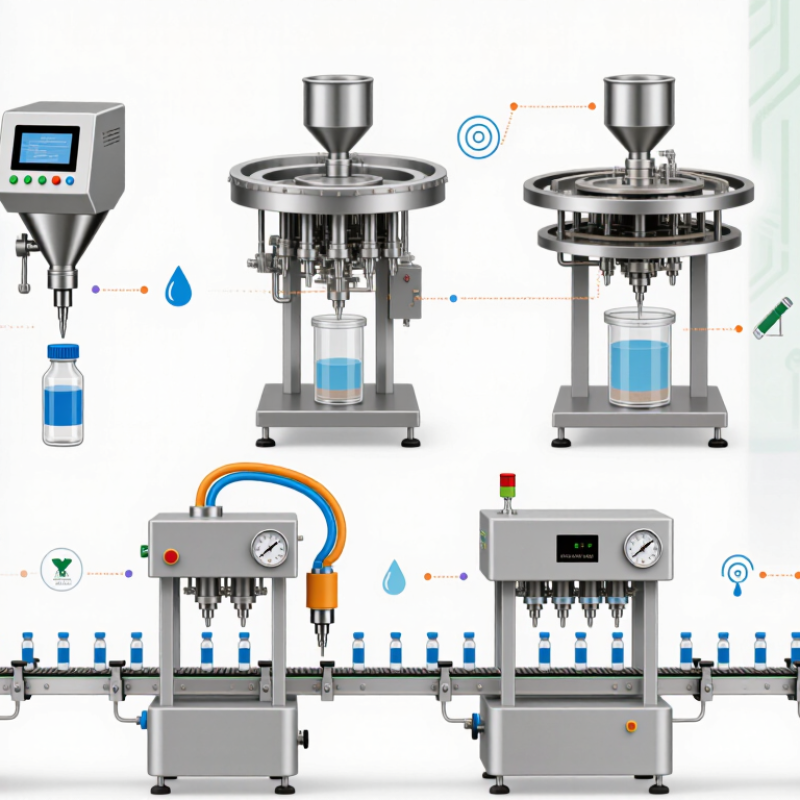
Pharmaceutical Filling Machines: Purpose, Scope, and Core Working Principles
Pharmaceutical filling machines transfer measured doses into containers such as vials, ampoules, bottles, syringes, and tubes. Their purpose is simple but demanding: deliver the right volume, protect product quality, and support repeatable production. Common designs include piston, peristaltic, time-pressure, overflow, auger, and vacuum fillers. Each suits different materials, from thin solutions to viscous creams and dry powders.
The core working principle combines product movement, dosing control, container handling, and closure preparation. A piston filler measures volume through a calibrated stroke, while a peristaltic pump uses flexible tubing to reduce product contact with machinery. Auger systems control powder flow through screw rotation. Sensors confirm container presence, and programmable controls coordinate filling speed, nozzle movement, and rejection of inconsistent units. Small details matter. A dripping nozzle can create losses and contamination risks.
Global buyers should assess viscosity, foaming behavior, particle sensitivity, container size, batch volume, and cleaning requirements before selecting equipment. A machine designed for liquid bottles may not handle sterile vials or highly cohesive powders effectively. GMP-oriented construction, accessible contact parts, controlled air conditions, and documented validation support reliable operation. Advertised speed can also mislead; changeovers, inspections, and cleaning often reduce practical output. Reality is messier. Experienced teams test the actual formulation and container combination before final approval, because laboratory performance does not always predict a stable production run.
Top Ten Types of Pharma Filling Machines and Their Applications
Pharma filling machines serve different products, containers, and production scales. The ten main types are liquid bottle fillers for syrups, vial fillers for injectables, ampoule fillers for sealed liquids, prefilled syringe fillers for ready-to-use doses, cartridge fillers for pen systems, tube fillers for creams, powder fillers for dry formulations, lyophilized vial fillers for freeze-dried products, ointment fillers for semisolids, and blow-fill-seal machines for sterile liquid packaging. Each format demands controlled dosing, cleanable contact parts, and verified container closure.
According to Grand View Research, the global pharmaceutical packaging market is projected to grow strongly through 2030, increasing demand for flexible filling platforms. The ISPE Baseline Guide also emphasizes risk-based design, validation, and contamination control. In practice, vial and syringe lines suit sterile injectables, while tube and bottle systems support topical and oral products. Powder fillers require careful dust management. Lyophilized filling adds chamber loading and vacuum-control challenges. Blow-fill-seal technology integrates container forming, filling, and sealing in one process. It saves handling steps, but setup errors can still affect output.
Tips: Match the machine to viscosity, dose range, container geometry, and cleaning strategy. Ask for factory acceptance testing data, fill-weight capability studies, and media-fill evidence where applicable. A fast machine is not always the best machine. Review changeover time, operator access, and reject tracking before purchase. These details are often underestimated. Even experienced teams can overlook them.
Top 10 Types of Pharma Filling Machines and Their Applications
Indicative throughput comparison for common pharmaceutical filling technologies. Actual output varies by product viscosity, container size, dosing accuracy, cleaning requirements, and line configuration.
The chart shows representative units per minute for typical production configurations, rather than market share or manufacturer performance. Liquid, powder, capsule, tube, vial, ampoule, ointment, and blow-fill-seal applications are included.
Key Differences in Accuracy, Speed, Sterility, and Container Compatibility
Top 10 Types of Pharma Filling Machines for Global Buyers
Key Differences in Accuracy, Speed, Sterility, and Container Compatibility
Pharmaceutical filling machines include piston, peristaltic, time-pressure, rotary, auger, vacuum, and gravity systems. Aseptic fillers, blow-fill-seal units, vial fillers, and prefilled-syringe machines complete the common top ten. Each design solves a different production problem. Piston systems often deliver strong dose consistency for viscous liquids. Peristaltic pumps reduce product contact and support quick tubing changes. However, tubing fatigue can gradually affect accuracy.
Accuracy & Product Contact Piston systems often deliver strong dose consistency for viscous liquids. Peristaltic pumps reduce product contact and support quick tubing changes.
Speed depends on both the filling principle and container flow. Rotary machines can handle high volumes with stable indexing. Intermittent systems may run slower but offer careful inspection and easier format changes. Auger fillers suit powders, while vacuum fillers work well with certain thin liquids. Speed alone can mislead buyers. A fast line creates expensive waste when foaming, dripping, or poor stoppering appears.
Sterility requires more than a clean-looking machine. Aseptic fillers need validated sterilization, controlled airflow, and documented environmental monitoring. Blow-fill-seal equipment forms, fills, and seals containers in one controlled process.
Vial and syringe fillers demand accurate placement, gentle handling, and reliable closure control. Container compatibility must be tested with real glass, plastic, elastomer, and polymer formats. Small necks, fragile walls, and unusual shapes can change performance.
In practice, equipment trials reveal weaknesses that brochures often miss. Even well-designed systems need calibration, operator training, and repeated process verification.
Regulatory, Maintenance, and Purchasing Considerations for International Buyers
International buyers should compare more than filling speed. Liquid, powder, vial, ampoule, syringe, and capsule systems create different validation demands. Regulatory review should begin before supplier selection. Ask for material certificates, calibration records, cleaning procedures, and software documentation. Manufacturing sites often expect GMP-aligned design, controlled access, audit trails, and repeatable fill accuracy. Local rules may differ. That difference can delay approval. Confirm electrical standards, language requirements, import documents, and qualified installation support. Do not accept vague compliance claims.
Maintenance planning is equally practical. Inspect pumps, filling needles, seals, sensors, and air lines before signing a contract. Request a spare-parts list with lead times and storage conditions. Ask how technicians will respond across time zones. A remote call is useful, but not always enough. Critical faults may require a trained local engineer. Cleaning access should be tested with gloves and standard tools. Small design issues become costly during changeovers. I once underestimated documentation effort during an equipment review. It affected the schedule.
Purchasing teams should calculate total cost, not only the quoted machine price. Include factory acceptance testing, site acceptance testing, validation support, training, utilities, freight, duties, and future upgrades. Compare output at the required accuracy, not at an ideal laboratory setting. Request sample runs using representative containers and product viscosities. Check warranty exclusions carefully. Payment milestones should follow measurable deliverables. An apparently cheaper machine may need more operators or longer cleaning time. That weakness is easy to miss. Keep every assumption in writing.