10 Eyeball Light Buying Tips for Global Buyers

Buying an Eyeball Light for international projects requires more than comparing prices. The fitting must suit the ceiling, room purpose, voltage, and local installation standards. A product that performs well in a showroom may disappoint in a coastal hotel or a dusty retail space. Small details matter. Check the trim size, beam angle, tilt range, glare control, driver quality, and replacement access before placing a large order.

Lighting designer Randall Whitehead offers a useful principle: “Good lighting should reveal the space, not compete with it.” This idea helps global buyers judge bright but uncomfortable products. An Eyeball Light should direct attention toward artwork, shelves, signs, or architectural textures. It should not create harsh circles on nearby walls or visible glare in a customer’s eyes. Ask suppliers for photometric files, color-consistency data, installation drawings, and sample units. Test the sample in a real ceiling mock-up. Screenshots are not enough.

The ten buying tips in this guide focus on practical decisions. They cover light quality, materials, heat control, dimming, certification documents, packaging, warranties, and communication with factories. Some recommendations may seem obvious. They are still often missed. A perfect specification can fail when delivery packaging is weak or instructions are unclear. No checklist removes every risk. Buyers should review assumptions with qualified local professionals. They should also question unusually low prices. Saving money today may create maintenance costs tomorrow. This guide is not a substitute for regional electrical advice, but it offers a clearer starting point for reliable Eyeball Light sourcing.
10 Eyeball Light Buying Tips for Global Buyers

Define Eyeball Lights: Adjustable Recessed Design, Beam Angles, and Uses

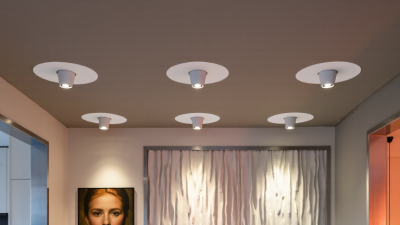
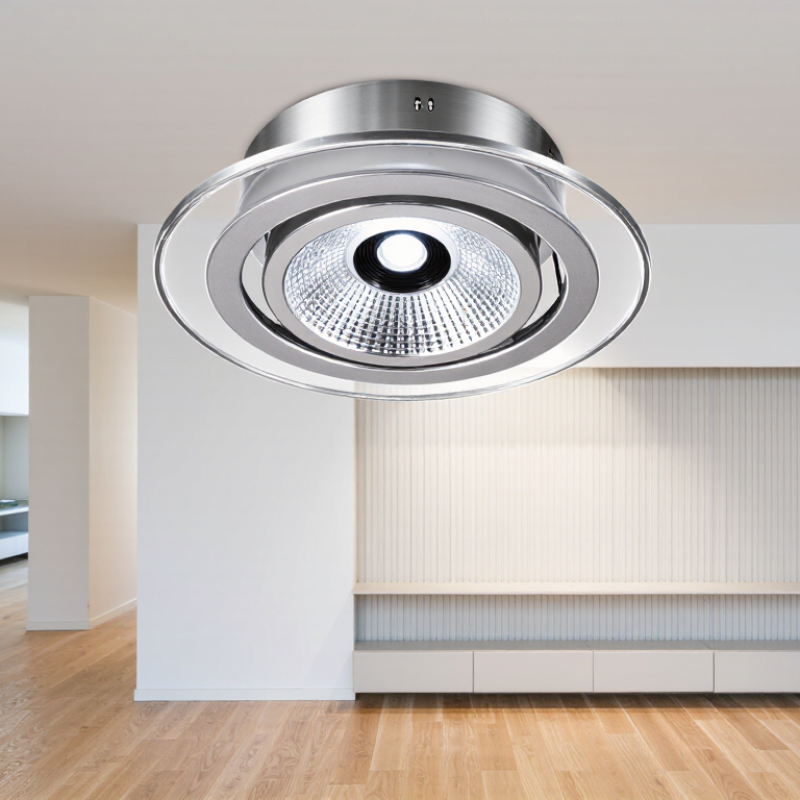
Eyeball lights are recessed fixtures with an adjustable inner housing. The lamp can tilt and sometimes rotate after installation. This movement directs light toward artwork, shelving, worktops, or reading areas. Unlike fixed downlights, they do not aim only at the floor. Their trim usually sits close to the ceiling, creating a cleaner appearance.

Beam angle controls the spread of light. A narrow beam creates a focused pool, useful for highlighting a painting or product display. A medium beam suits kitchen counters, dining tables, and retail walls. A wide beam produces softer coverage in bedrooms or corridors. Check the beam angle with the ceiling height. A tight beam can create bright circles and dark gaps on a low ceiling. That result often looks better in a drawing than in a finished room.

I have found that adjustability is useful, but excessive tilting can expose the inner lamp and cause glare. This detail is easy to overlook. Choose a design with smooth movement and a stable aiming mechanism. Confirm the cut-out size, ceiling depth, lamp compatibility, color temperature, and dimming method before ordering globally. Moisture-prone locations may require an appropriate ingress protection rating. Electrical certification should match the destination market. Test one sample first. A small trial can reveal unwanted shadows, trim reflections, or heat around the ceiling opening.

Verify Brightness: Compare Lumens, Beam Spread, and 90+ CRI Ratings

When evaluating eyeball lights, check lumens before judging appearance or wattage. Lumens show total light output, while watts mainly indicate energy use. Do not compare figures blindly. A fixture rated at 900 lumens may feel weaker if its beam is tightly focused. Two fixtures can produce similar lumens but illuminate very different areas.

I test beam spread on a plain wall, using the intended ceiling height. A narrow beam creates a bright circle with sharper edges. A wider beam produces softer, broader coverage, but may look less intense at the center.

For kitchens, retail displays, and reading areas, match the beam angle to the task. Check for dark gaps between adjacent lights. They are easy to miss in a catalog image.

CRI matters when color accuracy affects trust and comfort. Choose 90+ CRI for artwork, food, clothing, bathrooms, and detailed work. Also check whether the rating covers R9, which helps reveal strong reds. A high CRI does not automatically mean high brightness.

I once trusted a 90+ CRI specification and ignored the beam angle; the room looked accurate but uneven. That mistake still influences my checks.

Request test data, operating temperature, and measurement conditions from the supplier. If the claimed lumens lack a test method, treat the number cautiously. Real rooms are not laboratories.

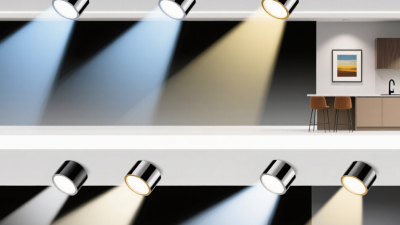
Select Color Quality: Choose 2700–3000K Warm White or 4000K Neutral White

For global buyers, color temperature is more than a number on a product sheet.
It changes how an eyeball light makes a room feel. In practical sampling, 2700–3000K warm white creates a softer mood for bedrooms, lounges, and hospitality spaces. Skin tones look gentler, and wood surfaces appear richer. However, warm light can make white walls look creamier than expected. That detail is easy to miss.

A 4000K neutral white gives cleaner visibility without the bluish cast often associated with cooler lamps. It suits kitchens, corridors, retail displays, and work areas where visual focus matters. Check the color rendering index as well. High CRI can reveal fabric and food colors more naturally, but CRI alone does not guarantee pleasant light. Beam angle, diffuser quality, and surrounding finishes also influence the result. Small sample rooms help.

I once judged a sample under a bright showroom ceiling and selected a temperature that felt too harsh at home. My mistake was ignoring the room’s daylight. Ask for test units, then view them in morning and evening conditions. Compare the light beside painted walls, tiles, and skin tones. Also confirm whether production batches maintain consistent color. A small variation may become obvious across a ceiling. Regional preference matters, but local preference should not replace site testing. Specifications guide the decision; real observation corrects it.

Check Safety Standards: Confirm IEC Compliance, IP Ratings, and Thermal Protection

Before buying eyeball lights, verify the IEC 60598 safety framework and the supplier’s test documentation. The International Energy Agency estimates that lighting uses about 15% of global electricity. Efficient products still need safe construction. Ask for reports from an accredited laboratory, not only a self-declared certificate.

Check the IP code carefully. IP44 protects against splashing water, while IP65 adds dust protection and water jets. The correct rating depends on the installation zone, ceiling design, and cleaning method. An outdoor-looking fixture may fail in a wet ceiling cavity. Small detail, serious risk.

Thermal protection matters too. Confirm operating temperature, insulation clearance, and automatic overheat cut-off. A metal housing should remain touch-safe after extended operation, but never assume it does.

NFPA research on 2016–2020 U.S. home structure fires linked electrical distribution and lighting equipment to an annual average of about 32,620 fires and 470 deaths. That figure covers broad equipment categories, not eyeball lights alone, yet it shows why certification deserves attention.

Request the rated wattage, temperature test conditions, wiring instructions, and replacement-driver information. Also inspect the sample after continuous testing. We have seen paperwork look complete while ventilation was poor. That uncomfortable check can reveal the real weakness.

Evaluate Lifetime Cost: Compare 25,000–50,000-Hour LEDs, Wattage, and Warranty Terms

10 Eyeball Light Buying Tips for Global Buyers

Buying an eyeball light requires more than checking its purchase price. Compare the complete lifetime cost, including electricity, replacements, installation labor, and disposal. A 25,000-hour LED may cost less initially, while a 50,000-hour model can reduce maintenance in high-use areas. However, the longer rating is not automatically better. Actual life depends on heat, driver quality, ventilation, and daily operating hours.

Tip: Check wattage against light output, not wattage alone. A 10-watt fitting producing 800 lumens may outperform a 12-watt fitting with weaker optics. Request tested lumen data and confirm the measurement conditions. For warehouses or hotels, small efficiency differences can become significant across hundreds of fittings. I have seen buyers focus on rated life, then overlook poor heat management. That mistake can shorten service life.

Tip: Read the warranty like a contract. Confirm its duration, replacement process, labor coverage, and exclusions for voltage fluctuation or unsuitable installation. Also verify compatibility with the destination country’s voltage and frequency. Keep test reports, installation records, and batch details. They support realistic claims if failures occur. A five-year warranty sounds strong, but it may exclude the component most likely to fail: the driver. Pay attention to that detail.